
What Causes Condensation on Windows in Winter?
Condensation on windows in winter forms when water vapour in your indoor air meets glass that is cold enough to bring the air at its surface to its dew point. The water vapour then turns into droplets on the glass. In Ottawa, the contrast between heated indoor air and cold outdoor temperatures can make the window one of the coolest surfaces in a room. North-facing rooms that get little winter sun are often the first to fog up; see how north vs south facing windows perform in Ottawa homes.
Everyday activities add moisture to indoor air. Cooking, showering, drying clothes indoors, and even breathing contribute; when windows and doors stay closed through winter, some of that moisture can remain inside. If the indoor air is humid and the glass is cold, you may see fog, beads of water, or frost on the room-facing side of a window.
The amount of condensation depends on several factors, not just the age of a window. Indoor humidity, outdoor temperature, air movement near the glass, and the window’s surface temperature all play a part. Understanding the basic dew point and frost relationship can help you identify why moisture appears and decide whether it needs attention.
The 3 Types of Window Condensation and What They Mean
The location of the moisture is the first clue to what is happening. Check whether it is on the room-facing surface, the outdoor surface, or trapped between panes, since each points to a different cause. The distinction can help you choose a sensible next step rather than treating every foggy window the same way.
Condensation on the Inside of the Glass
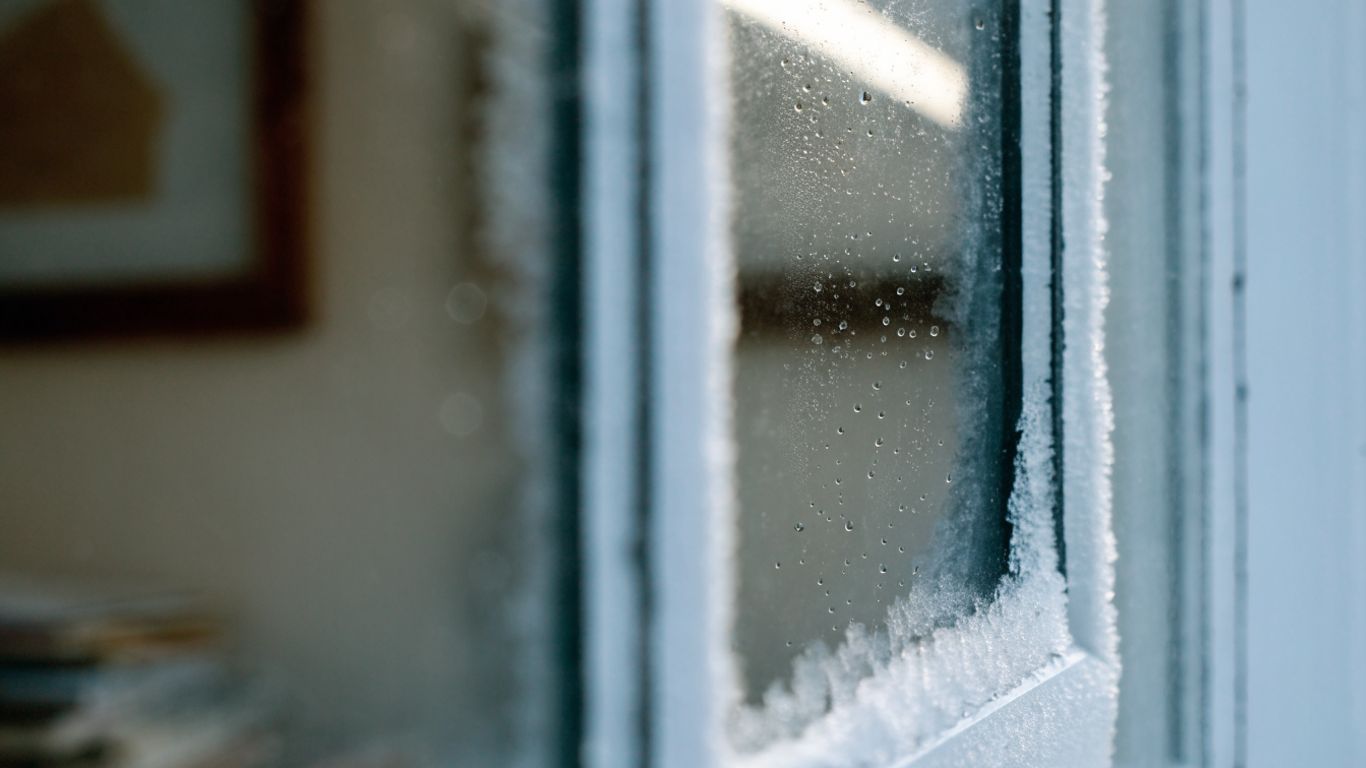
Moisture on the inside of the glass usually forms when warm, humid room air touches a colder pane. It may be more noticeable in the morning, after cooking or bathing, or when furniture and curtains limit airflow around the window. Wiping away water can clear the glass, but it does not address the indoor moisture or cold surface that caused it.
Occasional light fogging is different from water that repeatedly pools on the sill or runs down the frame. If it keeps returning, take note of when it appears and whether it affects one room or several. Those patterns can help you assess whether humidity, airflow, or a particular window deserves closer attention.
Condensation on the Outside of the Glass
Exterior condensation can occur when the outdoor surface of a pane cools below the dew point of the surrounding air. It may appear under certain weather conditions and then clear as the day warms or the air changes. Since it is on the outside, it does not by itself show that indoor humidity is too high.
Look for whether the moisture clears without intervention and whether it is confined to the exterior. Persistent water inside the home, visible damage, or moisture between panes points to a different concern. In most cases, exterior fogging alone is a reason to observe rather than panic.
Condensation Between the Window Panes
Moisture that appears between panes is not on a surface you can reach by wiping the glass. In an insulated glass unit, a persistent haze or droplets between panes can indicate that the sealed unit is no longer keeping moisture out. The appearance may come and go with temperature changes, but repeated fogging in the cavity deserves an assessment.
This is different from condensation on the room-facing glass, which is often related to indoor humidity and surface temperature. If the space between panes stays cloudy or develops visible droplets, note the affected window and how long the problem lasts. A window professional can help determine whether the glass unit or another part of the window needs attention. Advantage Enterprises installers can check whether the seal has failed and what it would take to fix it. Book a free in-home estimate to have the affected windows assessed.
Is Moisture on Windows in Winter Normal?
A small amount of condensation on an interior pane can happen in winter, especially when indoor humidity rises or outdoor temperatures fall sharply. Seeing a little moisture now and then does not automatically mean your windows are defective. What matters is how often it returns, how much water collects, and whether nearby materials are getting wet.
Persistent condensation can leave water on sills, trim, or walls. Over time, damp surfaces may stain, deteriorate, or provide conditions where mould can grow. Wipe up pooled water and look for signs such as peeling finishes, soft wood, musty smells, or dark marks around the frame.
You should also pay attention to where the condensation forms. Surface moisture on the room side may respond to changes in humidity and ventilation, while moisture trapped between panes can point to a seal issue. If the cause is unclear or damage is appearing, an inspection is more useful than relying on the droplets alone to diagnose the window.
On winter service calls across Ottawa, the AE Windows team often finds the heaviest condensation in bedrooms where blinds stay closed overnight, and on older aluminum sliders where the frame itself gets cold enough to frost over. Opening coverings in the morning and lowering the humidifier setting often clears much of it within a few days.
Ideal Indoor Humidity Levels for an Ottawa Winter
There is no single indoor humidity setting that works for every Ottawa home throughout winter. The colder it gets outside, the more likely a window’s interior surface is to become cold, so a humidity level that causes no trouble during mild weather may lead to condensation during a cold snap. Your home’s windows, ventilation, and temperature also affect what is comfortable and practical.
As a starting point, many households aim for roughly 30–40% relative humidity in milder winter conditions and reduce it when outdoor temperatures drop and condensation appears. The ranges below are practical guideposts, not a guarantee; the behaviour of your windows is useful feedback. A basic hygrometer can help you track indoor humidity rather than guessing.
| Outdoor temperature | Starting indoor humidity range | What to watch for |
|---|---|---|
| Around 0°C to -10°C | 35–40% | Check for recurring fog on the glass |
| Around -10°C to -20°C | 30–35% | Reduce humidity if water collects |
| Below -20°C | 25–30% | Watch cold corners and window edges |
Natural Resources Canada and the Canada Mortgage and Housing Corporation (CMHC) both advise lowering indoor humidity as outdoor temperatures fall to limit condensation and mould risk.
If you see moisture building up, lower humidity gradually and check again over the next few days. Avoid making the room uncomfortably dry just to eliminate every brief trace of fog. A steady reading, paired with observation of the glass and surrounding surfaces, gives you a more useful picture of conditions in your home.
How to Reduce Condensation on Windows During Winter
Reducing condensation generally means lowering excess indoor moisture, helping air move around the glass, and checking for cold drafts near the frame. Start with simple changes and observe whether the windows improve. If one window behaves differently from the others, that may help narrow down the cause.
Control Indoor Humidity
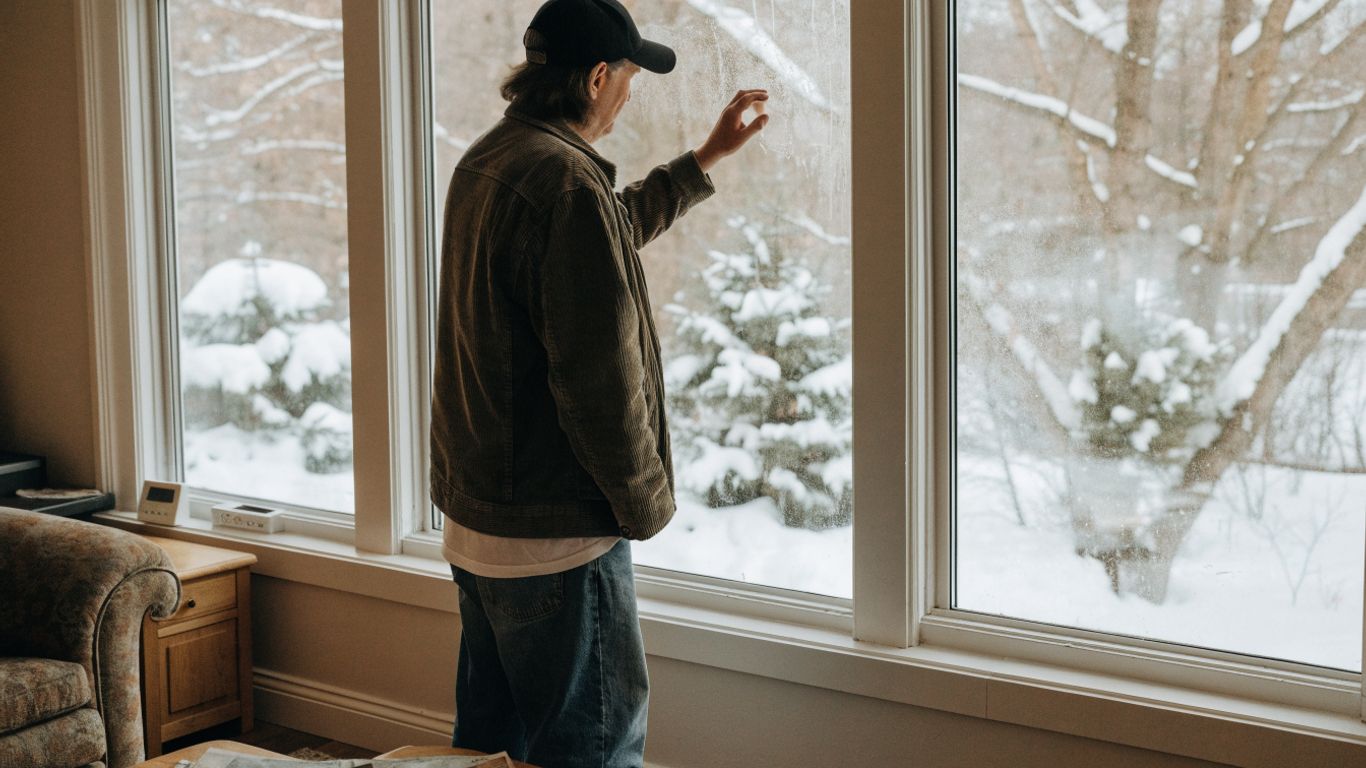
Use a hygrometer to get a better sense of your indoor humidity, then look for everyday sources that may be adding more moisture than your home can manage. Running a bathroom fan during and after a shower, using a range hood while cooking, and avoiding indoor clothes drying can help reduce moisture in the air. The goal is a comfortable, steady level rather than the lowest reading possible.
A few small habits can make moisture easier to manage without changing your whole routine:
- Cover pots when practical and use the range hood while cooking.
- Run the bathroom exhaust fan during showers and afterward.
- Dry laundry outdoors or in a well-ventilated area when possible.
- Reduce or pause humidifier use if window condensation returns.
After making a change, give the room time to respond and check the glass again. If condensation persists despite reasonable humidity and ventilation, the window’s temperature, condition, and installation may also be part of the picture.
Improve Air Circulation and Ventilation
Air that sits still beside a cold pane can allow moisture to collect more readily on the glass. Keep supply and return vents unobstructed, and leave some space between furniture or heavy curtains and the window so room air can circulate. This will not fix every cause, but it can help the glass stay closer to the room’s temperature.
Use kitchen and bathroom exhaust fans to move humid air out of the home, and follow their operating instructions. In suitable weather, brief ventilation can also refresh indoor air, though leaving a window open for long periods in deep winter can waste heat. If condensation is concentrated behind closed coverings, opening them during the day may improve airflow near the pane.
Seal Air Leaks Around Window Frames
Cold drafts around a frame can make nearby surfaces colder and less comfortable. Check for noticeable air movement around the sash and frame, and look for damaged caulking or weatherstripping. A simple visual check can identify obvious gaps, but it cannot confirm what is happening inside the wall or around the full window opening.
If you find a small, accessible gap, appropriate weatherstripping or sealant may help, depending on its location and the material involved. Avoid blocking drainage paths or covering signs of water damage. When drafts continue or the frame shows deterioration, ask a qualified professional to assess the window and the surrounding installation.
When Condensation on the Windows in Winter Means It’s Time to Replace
Condensation alone does not mean you need new windows. Interior moisture may be tied to humidity, airflow, or very cold weather, and those conditions can often be improved without replacing anything. First, identify which side of the glass is wet and whether the problem changes after you adjust indoor moisture and ventilation. A common Ottawa example is a 1990s home with original double-pane windows: the homeowner has already lowered humidity, yet frost still forms along the bottom edge of the glass every cold snap. That pattern usually points to the window itself, not the household, and is worth an assessment.
Replacement may be worth discussing if you have recurring moisture between panes, frames that are damaged or deteriorating, persistent drafts, or windows that no longer open and close properly. These signs do not prove that replacement is the only answer, but they suggest that a closer assessment could clarify the options. Also look for water damage around the opening, not just on the glass.
Keep track of which windows are affected and when the symptoms occur. A professional can inspect the glass, frame, seals, and fit, then explain whether a repair or replacement is appropriate. If you are considering an upgrade, review the details of window replacement and installation so you know what a project may involve before making a decision.
How Energy-Efficient Windows Reduce Winter Condensation
A window with better insulation can help keep its interior glass surface warmer in cold weather. Since condensation becomes more likely when warm, moist indoor air meets a cold surface, reducing that temperature difference may reduce the conditions that lead to interior fogging. Results still depend on indoor humidity, ventilation, outdoor temperature, and how the window is fitted. For Ottawa’s coldest weeks, triple-pane windows keep the inner glass even warmer than standard double-pane units.
The glass is only one part of the assembly. Frames, seals, and the spacer that separates panes can all influence heat transfer through an insulated glass unit. Learning why insulated glass spacers matter can give you another useful factor to discuss when comparing window options.
Even a well-insulated window cannot remove moisture generated inside the home. If indoor humidity stays high or air cannot circulate, condensation may still occur during severe cold. Consider window performance alongside humidity management, ventilation, and installation quality rather than expecting one feature to solve every moisture problem. If an upgrade makes sense, check whether you qualify for an Ontario window rebate before you buy.
Get Expert Help with Window Condensation in Ottawa
If you cannot tell whether moisture is on the surface or between the panes, or if water keeps collecting despite changes to humidity and airflow, a professional assessment can help identify what is happening. Describe when the condensation appears, which windows are affected, and whether you have noticed drafts or damage. Those details help make the visit more focused.
An assessment should consider the whole opening, including the glass, frame, seals, and nearby finishes. Ask what the likely cause is and whether there are practical repairs or maintenance steps to try before deciding on a replacement. Clear explanations make it easier to compare options and choose an appropriate next step.
For homeowners considering new windows, compare the condition of the existing units with your comfort and performance needs. A measured evaluation is more useful than treating every winter fog as a reason to replace. Take photographs when condensation appears; they can help document a problem that may not be visible on the day of an appointment.
Advantage Enterprises Windows & Doors has helped Ottawa homeowners since 2009, with more than 3,000 window and door projects completed by 100% in-house installers. Every assessment covers the glass, frame, seals and installation, and every replacement is backed by clear warranty coverage. Call (613) 850-7887 to book a visit.
Frequently Asked Questions
Why do my windows get condensation in winter?
Warm indoor air contains moisture, and when it touches cold window glass, that moisture can condense into droplets. Higher indoor humidity and limited air movement can make the effect more noticeable.
Is condensation on the inside of a window normal?
Occasional light fogging can happen during winter and does not automatically mean a window has failed. Repeated pooling or moisture that affects the sill, frame, or wall deserves attention.
Should I wipe condensation off my windows?
Wiping away water can help keep it from sitting on the glass, frame, or sill. It does not address the underlying cause, so also consider humidity, ventilation, and the window’s condition.
What does condensation between window panes mean?
Moisture that cannot be wiped from either exposed surface may be trapped in the space between panes. It can indicate a problem with the insulated glass unit’s seal, so consider arranging an assessment.
Can a humidifier cause window condensation?
A humidifier can add moisture to indoor air, which may contribute to condensation when the glass is cold. If droplets appear, check the humidity level and consider reducing or pausing humidifier use.
What humidity should I keep my home at in winter?
A useful starting range is around 30–40% in milder winter weather, with lower levels often needed during very cold periods. Adjust based on your home’s comfort and whether condensation appears on the glass.
Will new windows stop condensation completely?
New, better-insulated windows may keep interior glass warmer and reduce conditions that encourage condensation. They cannot remove indoor moisture, so humidity control and ventilation still matter.