
What Are uPVC Windows?
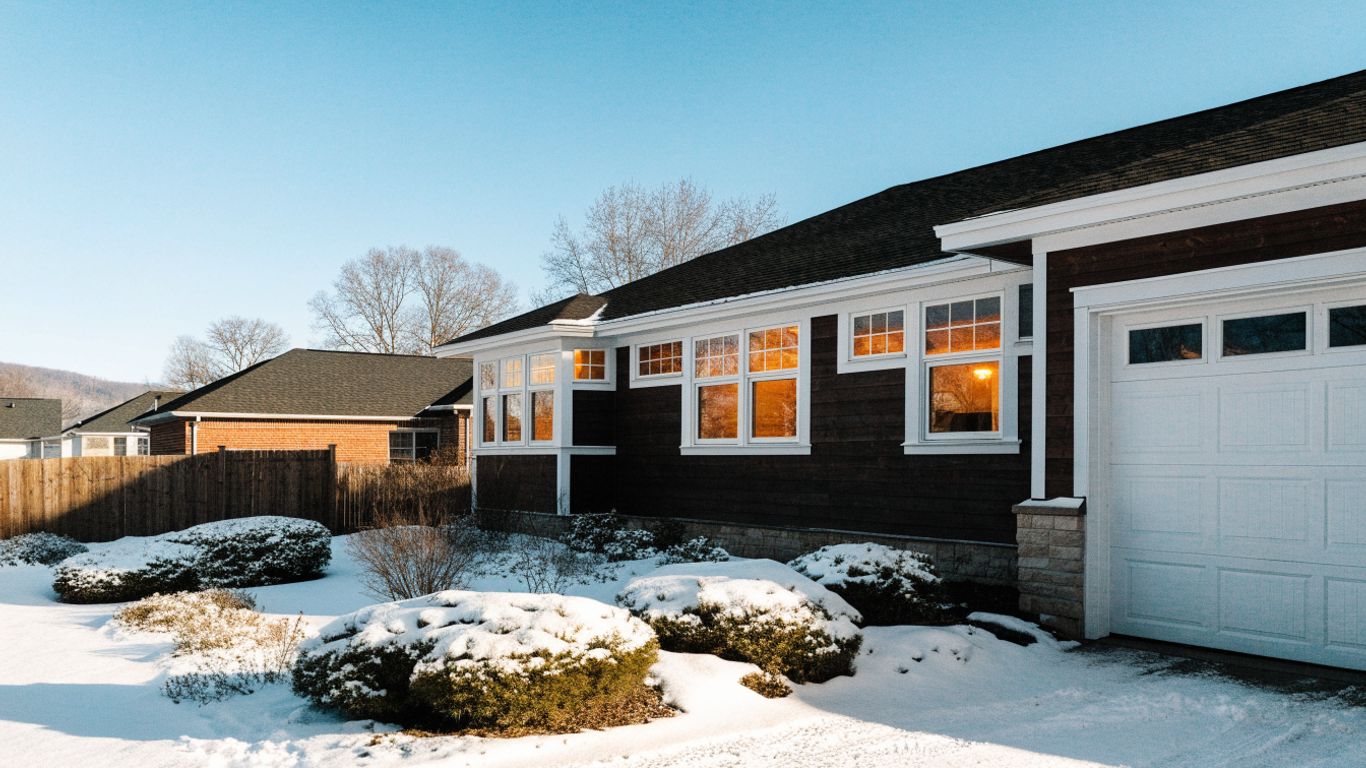
uPVC stands for unplasticized polyvinyl chloride, a rigid, weather-resistant plastic used to make window frames. Unlike regular PVC, it contains no plasticizers, so it stays stiff and doesn’t warp or rot. Most modern uPVC frames use a multi-chamber design with welded corners, which traps air inside the frame and improves insulation.
uPVC vs Vinyl Windows: Is There a Difference?
In Canada and the US, uPVC windows are usually sold as vinyl windows. Both terms describe frames made from unplasticized polyvinyl chloride. “uPVC” is the common term in the UK and Europe, while Canadian manufacturers and installers say “vinyl.” Construction still varies by product line, so compare frame chambers, wall thickness and reinforcement rather than the label alone.
Benefits of uPVC Windows for Canadian Homes
A uPVC frame suits homeowners who want a window that does not need regular painting and comes in a range of familiar styles. Its practical advantages are best weighed alongside the window’s glass package, hardware and installation details. Those factors determine comfort and ease of use in your particular home.
Energy Efficiency and Lower Heating Bills
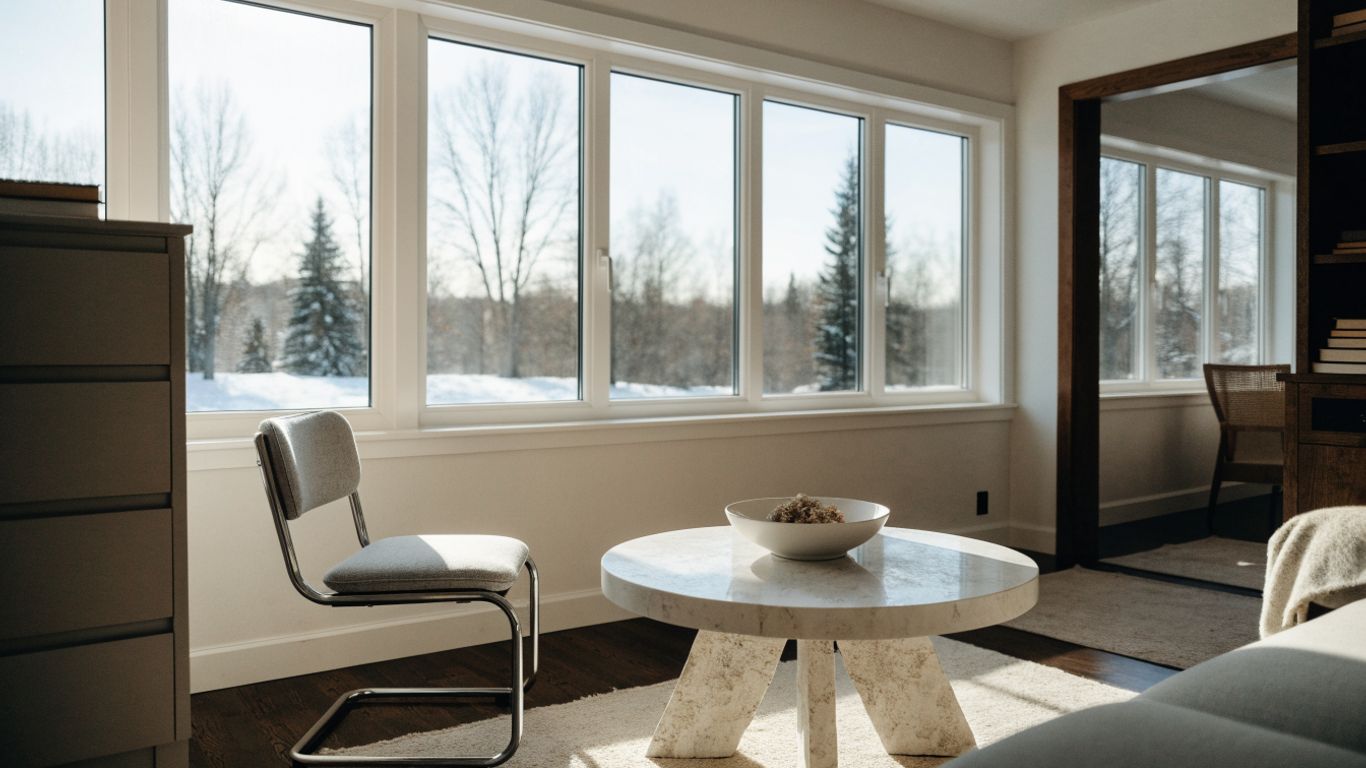
In Ottawa’s climate, look for windows certified under Natural Resources Canada’s ENERGY STAR program for your climate zone. The biggest performance gains usually come from the glass package: double- or triple-pane units with a Low-E coating and argon gas fill. Window orientation matters too, since north- and south-facing windows gain and lose heat differently through the day.
A well-chosen window helps limit unwanted heat transfer, but the frame material is only one part of that performance. Glazing, the number and quality of seals, the fit of the unit and the condition of the surrounding opening all affect how comfortable a room feels. Energy ratings and product specifications give you a clearer basis for comparing options than material names alone.
When you discuss options with an installer, a few practical questions keep the conversation focused on your home:
- What glazing options are available for the window sizes you need?
- How are the frame and sash designed to seal when closed?
- What work is included to insulate and finish around the opening?
- Which energy-performance information applies to the specific unit being quoted?
The answers help you compare proposals on more than their headline price. Heating costs also depend on your home’s insulation, air leakage and thermostat settings, so a window upgrade alone should not be treated as a guaranteed bill reduction.
Low Maintenance and Long Lifespan
One reason homeowners choose uPVC is that the frames do not need routine painting. Basic care means cleaning the surfaces and checking that moving parts and seals remain in good condition. Exact maintenance guidance depends on the product, so follow the manufacturer’s care instructions. A low-maintenance frame still needs occasional attention, especially after years of regular opening and exposure to the elements.
Noise Reduction and Security
How much outside noise you hear depends on the glass, frame design, seals and the way the window fits its opening. If noise is a concern, describe the rooms and conditions where it is most noticeable and ask about suitable configurations, such as triple-pane or laminated glass. Security also involves more than the frame material: look at the locking hardware, operating style and installation.
How uPVC Windows Handle Ottawa Winters
Ottawa homes face deep cold, sudden temperature swings and long stretches when indoor and outdoor conditions differ sharply. A window’s ability to keep a room comfortable depends on its design and installation as well as the frame material. Even a well-made unit can disappoint if it is poorly fitted or if air leaks around the opening.
Performance in Extreme Cold and Freeze-Thaw Cycles
Quality uPVC frames are designed for Canadian temperature swings, from summer heat to winter lows below −30°C. On Ottawa installations, the most common cold-weather problems don’t come from the frame itself. They come from old openings with rotted wood bucks or gaps that were never properly insulated, which is why the opening should be checked and sealed during installation.
Freeze-thaw weather makes it sensible to pay attention to how water is managed around a window. Keep exterior drainage paths clear and follow care instructions for the frame and seals. If you notice recurring water entry, sticking hardware or visible damage, have the cause assessed instead of assuming the material alone is responsible.
Reducing Drafts and Condensation
Drafts can come from a poor seal, gaps around the frame or air leakage elsewhere in the home, so identifying the source is the first step. Condensation on the room-facing glass is often connected to indoor humidity and airflow, while moisture between panes points to a failed seal. You can use this winter condensation guidance to tell common causes apart and decide on next steps.
A common Ottawa example: older aluminum-framed windows often show frost on the inside of the frame in January. After switching to a sealed vinyl window with a warm-edge spacer, that frost line usually disappears, because the inside surface of the glass stays warmer.
Popular uPVC and Vinyl Window Styles
The style you choose affects how a window opens, how much space it needs and how it looks from inside and outside. Common configurations include fixed windows, which do not open, and operable styles that provide ventilation. Think about how you use each room as well as the appearance you want.
Casement and awning windows are hinged styles that open outward, while sliding windows move along a track. Each arrangement has different hardware and clearance needs, which may matter near walkways, decks or furniture. If you are replacing an existing unit, ask whether the proposed style fits the opening and how it will operate in the available space.
How Much Do uPVC Windows Cost in Canada?
There is no single price that describes every uPVC window project across Canada. A small fixed unit and a large custom opening require different materials and work, and labour costs vary by location and installation conditions. The quoted total may also include removal, disposal, finishing or repairs around the opening.
AE Windows & Doors provides itemized quotes that list each window’s size, style, glass package and installation work, so homeowners can compare options clearly.
Factors That Affect the Price
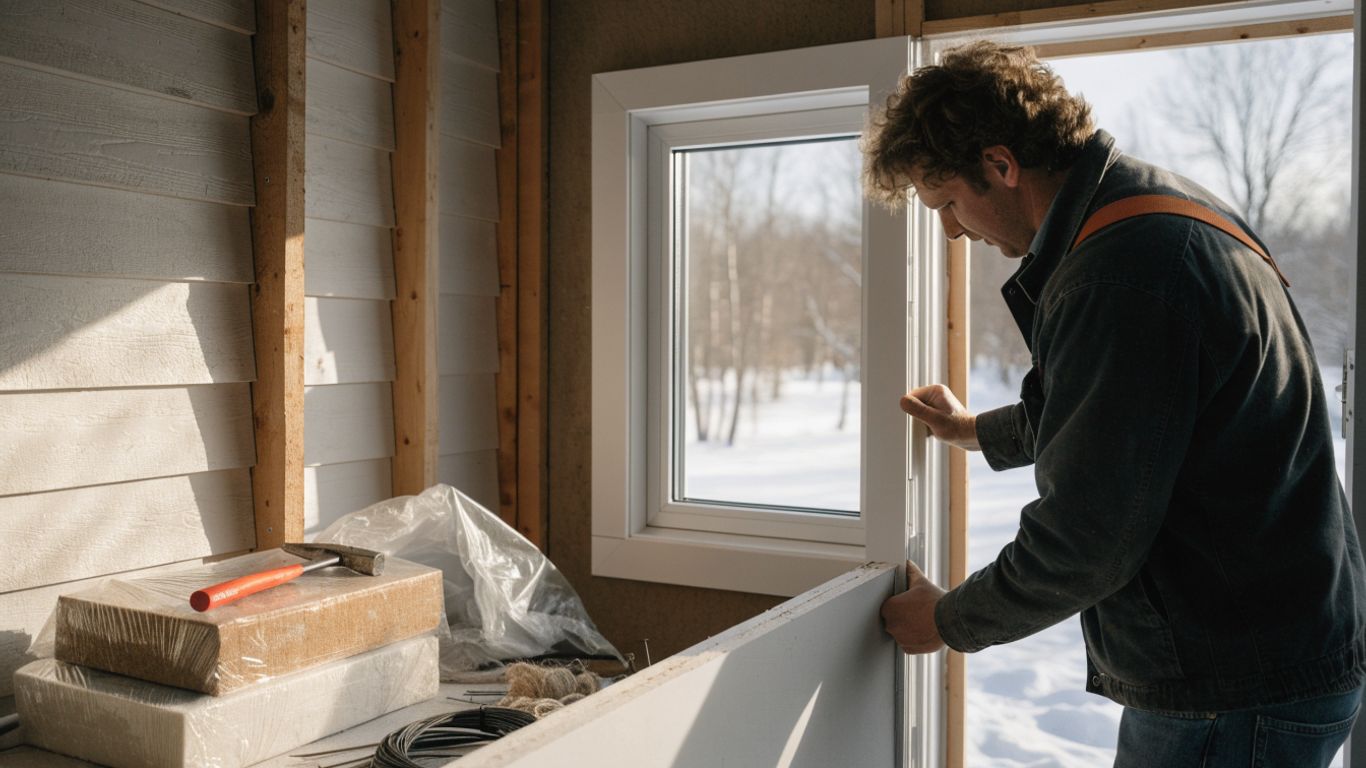
The main cost drivers are usually visible in an itemized quote. Use this table as a checklist for comparing estimates on the same basis.
| Cost factor | Why it matters | What to confirm |
|---|---|---|
| Window size and shape | Larger or less standard openings may require a different unit or additional work. | Are the measurements and unit dimensions itemized? |
| Style and hardware | Operating styles and hardware options differ. | Which opening style and hardware are included? |
| Glazing and specifications | Double vs triple-pane, Low-E and argon affect the unit selected. | What glazing and performance details apply? |
| Installation and finishing | Labour, removal and work around the opening can change the total. | Does the quote include removal, disposal and interior or exterior finishing? |
Compare quotes with matching sizes, configurations and included work. A lower total may reflect a smaller scope, so ask what is excluded before you decide.
Every home is different. AE Windows & Doors offers free in-home measurements across Ottawa for an exact, itemized quote.
uPVC vs Wood and Fiberglass Windows
Wood, fiberglass and uPVC each bring different trade-offs, and the best fit depends on your priorities and the specific product. Wood offers a distinct natural appearance but needs more upkeep to maintain its finish. If that look matters to you, compare care requirements alongside the initial quote.
Fiberglass is another frame material to consider. It is very stable in temperature swings, but designs and specifications vary, so not every fiberglass window performs the same way. Compare like with like: size, glazing, operating style, warranty terms and what installation includes.
uPVC appeals if you prefer a frame that does not need painting at a lower price point, while wood suits a home where natural appearance is the priority. Set a budget and decide how much maintenance you are comfortable with, then weigh those preferences against each product’s specifications.
Get uPVC Windows Installed in Ottawa
If you are planning a window project in Ottawa, begin by noting which openings need replacement and what you want to improve. Consider comfort, ventilation, appearance and maintenance rather than choosing by material alone. A clear list of priorities helps an installer recommend options that suit the home and the rooms involved.
Ask for measurements and an itemized quote that identifies the window configuration, glazing, installation work and any finishing or removal included. Confirm how the installer will address the condition of the existing opening and what product documentation will be provided.
Ready to upgrade before the next Ottawa winter? Book a free estimate with AE Windows & Doors or call (613) 850-7887 to speak with a window specialist.
Frequently Asked Questions
Are uPVC and vinyl windows the same?
Yes, in most cases. “uPVC” is the European term and “vinyl” is the North American term for the same rigid PVC frame material. Quality depends on the specific product line.
Are uPVC windows suitable for Canadian winters?
Yes. Quality uPVC (vinyl) windows with double- or triple-pane Low-E glass, argon fill and proper installation perform well in Ottawa winters. Look for ENERGY STAR certification for your climate zone.
Do uPVC windows reduce heating bills?
Replacing old, drafty or single-pane windows with ENERGY STAR-certified uPVC windows typically reduces heat loss through the windows. Actual savings depend on the home’s insulation and air leakage.
Do uPVC frames need to be painted?
No. uPVC frames don’t need painting. Wipe them clean a few times a year and check the seals and hardware.
What causes condensation on new windows?
Room-side condensation is usually related to indoor humidity and airflow. Moisture between the panes points to a failed seal and should be assessed.
Which window style should I choose?
Consider how you want the window to open, the ventilation you need, available clearance and cleaning access. The right choice depends on the room, the opening and the products available.
What should a window installation quote include?
Unit specifications, measurements, installation labour, and any removal, disposal or finishing work, all listed separately so you can compare estimates fairly.