
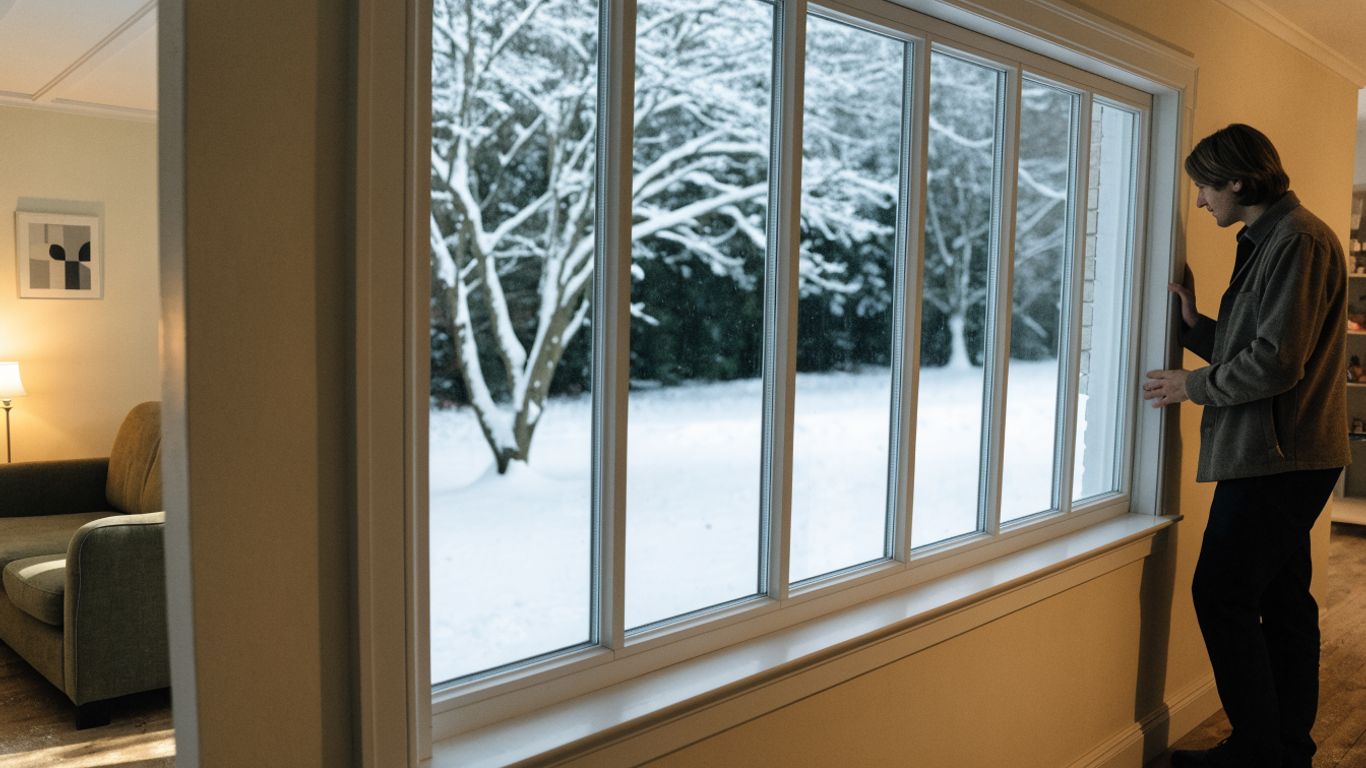
Yes, Windows Can Be Replaced in Winter
Yes, you can replace windows in winter in Ottawa. The season alone doesn’t make the work impossible; the installation plan, materials, and conditions on the day matter more. A professional crew can manage the time each opening is exposed while fitting and sealing the new window.
Cold-weather work does call for care. Installers need to consider temperature, wind, precipitation, and the requirements for the sealants and insulation they use. The exact approach depends on the product instructions and the conditions at your home, so ask how the crew will handle those details before the appointment.
Waiting for spring isn’t always the more comfortable choice. If a window is letting in cold air or showing signs of moisture damage, the problem continues while you wait through the rest of an Ottawa winter. For more on available options, see AE Windows’ replacement windows in Ottawa.
How Winter Window Installation Works
Whether you need window installation in Ottawa for one drafty room or the whole house, the overall process is much like a replacement in warmer weather: the existing window is removed, the opening is checked, and the new unit is fitted, insulated, and sealed. In winter, windows are typically replaced one at a time, so only one opening is exposed to outdoor air at once, and only for a short period. Your installer should explain the sequence for your home and how the weather could affect the day’s schedule.
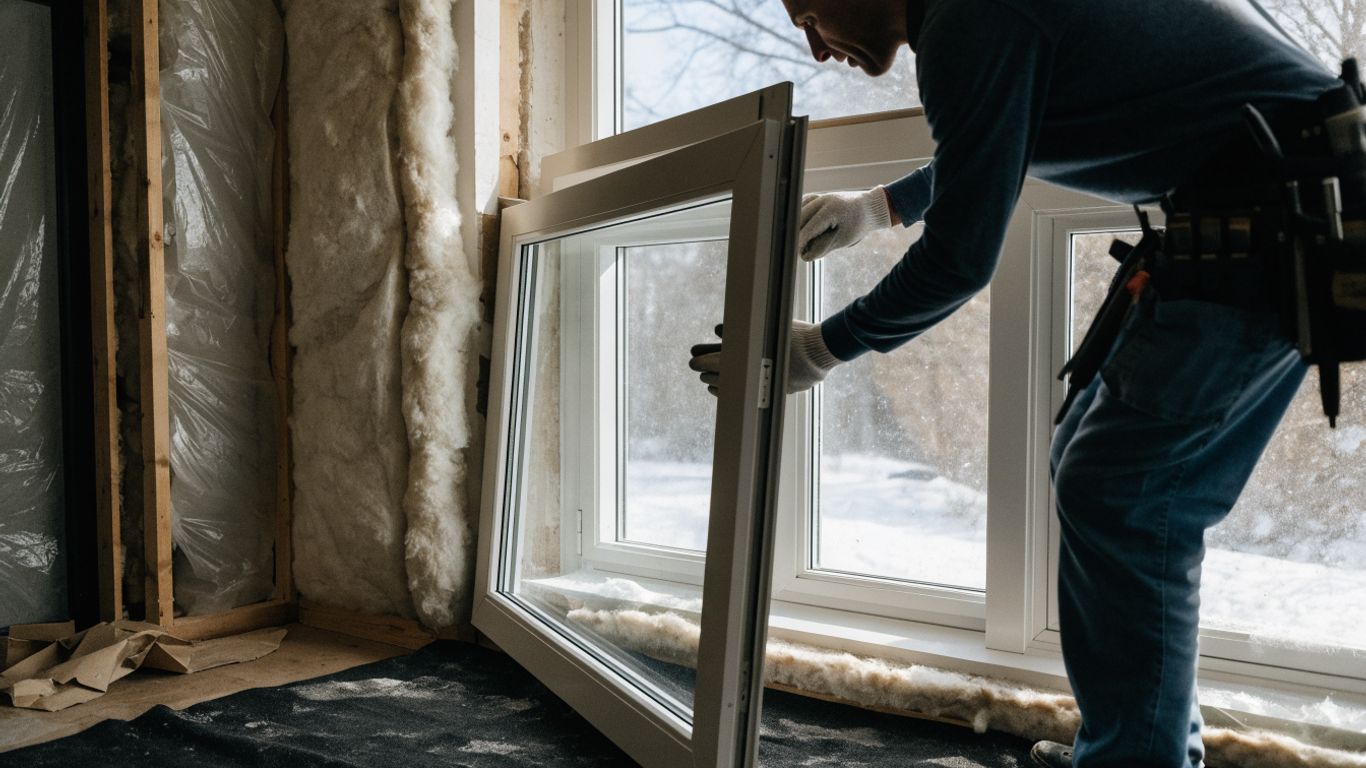
Cold-Weather Sealants and Insulation
Sealants and insulation products have instructions for use, including temperature limits and application conditions. Your installer should select materials suited to the weather and follow their stated requirements rather than assuming that every product behaves the same in the cold. Ask what will be used around the frame and how the crew will confirm the window is properly fitted.
A useful way to understand the cold-weather details is to ask about each part of the opening, not just the glass. The crew should be able to explain how it will manage:
- The condition of the opening after the old window is removed
- The fit and positioning of the replacement unit
- Insulation around the frame
- The sealant’s application requirements in the current weather
Those steps work together: a suitable product cannot compensate for a poor fit, and careful fitting still needs appropriate sealing. Frame material and glazing also affect how a window handles winter, so compare options such as uPVC frames and multi-pane glass when choosing a replacement.
Benefits of Replacing Windows in Winter
A winter project can be worthwhile when your current windows are affecting comfort or need attention. It also gives you a chance to address the issue before another stretch of cold weather, rather than simply tolerating drafts until temperatures rise. The practical advantages depend on your home, your schedule, and the installer’s availability.
Easier Scheduling and Shorter Wait Times
Some homeowners find it easier to book work in winter than during busier renovation periods, but availability varies by company and year. It’s worth asking about lead times, how the crew handles weather-related changes, and whether the quoted installation date is confirmed or tentative. A little flexibility can make scheduling less stressful.
When you compare appointment options, ask what the day involves and how long the crew expects to be at your home. The answer can help you plan around work, children, pets, and access to the rooms being updated. Don’t assume winter automatically means a shorter wait; confirm the current schedule directly.
Lower Heating Bills Right Away
Replacing a drafty or poorly fitting window may improve comfort, and a better-sealed home may use less energy for heating. The amount of any change depends on the condition of the old windows, the replacement, the installation, and other factors in the home. There’s no single savings figure that applies to every house.
The immediate benefit you may notice is often how the room feels near the window, rather than a guaranteed change to a bill. Pay attention to drafts and temperature differences after installation, and discuss any remaining concerns with your installer. A properly fitted window matters as much as choosing a product with suitable performance characteristics.
Signs Your Windows Shouldn’t Wait Until Spring
Some window problems are more than a seasonal nuisance. If you notice worsening drafts, water entering around a frame, or visible damage, it makes sense to have the issue assessed rather than deciding in advance to wait several months. A professional can help determine whether the window needs replacement or whether another repair is appropriate.
Persistent condensation between panes can indicate a problem with the sealed glass unit, while condensation on indoor surfaces may have other causes, including indoor humidity and ventilation. Note where the moisture appears and whether it returns after you wipe it away. That detail can help a professional assess what is happening.
For example, a bedroom window that fogs between the panes every cold morning in January, or a frame that lets in a noticeable draft during windy weather, is a sign the window is not performing as it should.
Also look for frames that are soft, visibly deteriorating, difficult to close, or no longer secure. If a window cannot be operated safely or you suspect water is damaging the surrounding wall, arrange an assessment promptly. Keep a record of what you observe, including when it happens and which rooms are affected.
When Weather Can Delay an Installation
Winter replacement is possible, but no installation date is immune to weather. Heavy snow, strong winds, freezing precipitation, or other unsafe conditions can affect access, handling, and the work itself. A responsible installer may need to postpone rather than rush through conditions that could compromise safety or the installation.
The specific temperature and weather limits depend on the materials, equipment, and installation method. Ask the company what conditions could trigger a delay and how it will contact you if the forecast changes. It’s also sensible to confirm whether the crew needs a cleared path or space to work outside.
A postponement can be inconvenient, especially if you’ve arranged time away from work. Still, a revised appointment is preferable to pressing ahead when conditions are unsuitable. Keep the affected room accessible and avoid moving furniture back until the crew says the work area is ready for normal use.
How to Prepare Your Home for a Winter Window Installation
A few simple preparations can help the crew work efficiently and keep the disruption manageable. Before installation day, confirm the arrival window, which rooms are included, and what needs to be moved. Ask whether the company has any site-specific instructions for your home.
Clear furniture and belongings away from the windows, including items on nearby shelves or window ledges. Remove curtains, blinds, or other coverings if requested, and put fragile objects somewhere safe. If children or pets are at home, plan a comfortable spot away from the work area.
Outside, check that the crew can reach the windows and ask whether you should clear snow or ice from paths. Keep the indoor route to each room free of clutter, and discuss any concerns about flooring or furnishings in advance. Once the work is done, follow the installer’s guidance about cleaning, operation, and when to remove temporary protection.
Choosing Windows That Handle Ottawa Winters
The right replacement depends on more than a broad label such as “energy efficient.” Consider the window’s fit, glazing, frame material, operation, and the needs of the room. A qualified supplier can help you compare options for your home rather than relying on a single feature or a generic recommendation.
Ask about performance information for the specific window you’re considering and how it suits the opening where it will be installed. The way a window opens can matter for ventilation and everyday use, while the frame and glass affect maintenance and comfort. For long, cold Ottawa winters, triple-pane glass is worth comparing, and casement windows press against the frame when closed for a tight seal. Make sure the quote clearly identifies the selected style and any included work.
Installation is part of the decision, too. A well-chosen window still needs to be measured and fitted correctly, with suitable insulation and sealing around the frame. If you’re comparing options in Ottawa, review the product details alongside the installer’s explanation of fit, installation, and care.
Book a Winter Window Replacement in Ottawa
If drafts, damage, or difficult operation are affecting your home, start by arranging an assessment and describing what you’ve noticed. Share which windows are involved, when the problem occurs, and whether you’ve seen moisture or deterioration. That gives the installer useful context before recommending next steps.
When you request a quote, ask what the replacement includes, which products are being considered, and how winter weather may affect the appointment. Clarify the expected timeline and how a delay will be handled. You should have enough information to compare the proposed work and decide whether it fits your needs.
You don’t have to wait for spring simply because it’s cold outside. As an Ottawa window installation company, AE Windows replaces and installs windows across the city year-round. Book a free in-home estimate or contact AE Windows to plan your winter window replacement.
Frequently Asked Questions
Can you replace windows in winter in Ottawa?
Yes. Winter installation can be scheduled when the weather and materials are suitable, with the installer replacing one window at a time to limit exposure to outdoor air.
Will my house get very cold during installation?
The room near the window may feel cooler while the opening is being worked on. Because each opening is exposed only briefly, the rest of the home stays largely unaffected.
Do sealants work in freezing weather?
Some products have specific temperature and application requirements. The installer should use materials appropriate for the conditions and follow the product instructions.
Is winter window replacement less expensive?
Not necessarily. Costs depend on the windows, installation, and the company’s pricing. Request a written quote rather than assuming the season will lower the price.
Can bad weather delay the work?
Yes. Snow, wind, ice, or other unsafe conditions can affect access and installation. Confirm the company’s weather policy and how it will notify you of a change.
What should I move before the installers arrive?
Clear furniture and belongings away from the windows, remove coverings if requested, and keep pathways open. Follow any additional instructions from the installation crew.
How do I know if my windows need replacement?
Drafts, visible damage, trouble operating or securing a window, and recurring moisture are reasons to seek an assessment. A professional can help distinguish replacement needs from other possible repairs.