
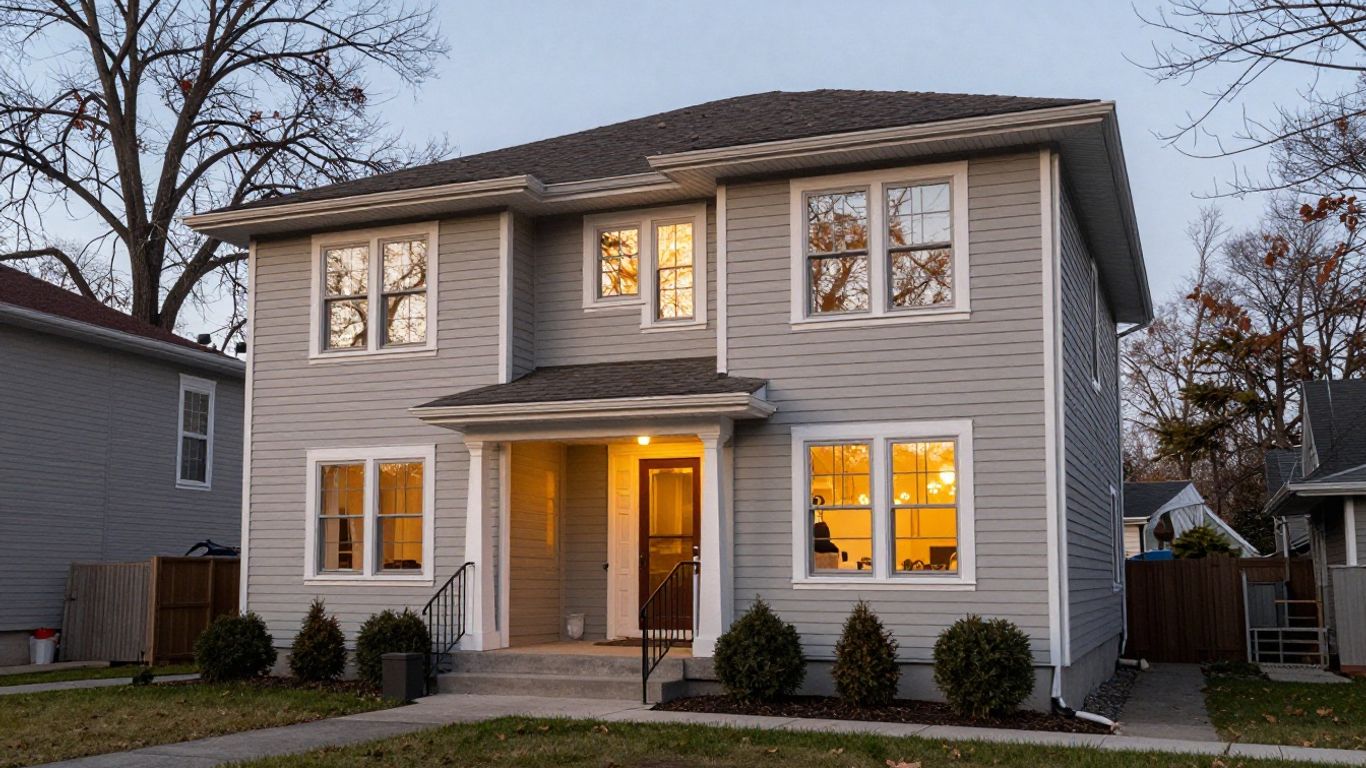
Key Takeaways
- South-facing windows receive the most direct sunlight in Ottawa, especially in winter.
- North-facing windows provide steadier, softer daylight with less glare, but they have the coldest glass in the house.
- Trees, nearby buildings, window size and shading can change how any exposure feels.
- Glass performance matters as much as direction: north walls need strong insulation, and south walls need the right balance of solar heat gain.
- Match each room to the light it needs, then assess the whole home before choosing replacements.
North vs. South Facing Windows: The Short Answer
In Ottawa, south-facing windows get the most direct sun. At the winter solstice, the noon sun sits only about 21° above the horizon, so sunlight reaches deep into south-facing rooms exactly when heating demand peaks. North-facing windows get almost no direct sun from fall to spring. The result is even, glare-free light, but also the coldest glass in the house.
Neither direction is automatically better. A south-facing room can feel bright and welcoming on a cold, clear day, yet need careful shading in July. A north-facing room is easier to work in without harsh sun, but it can feel cooler or dimmer in winter. Glass choice, window size, curtains and exterior shading can soften these trade-offs, and those details matter as much as the compass direction.
When comparing north vs. south-facing windows, look at the whole home rather than judging one window in isolation. Consider where you spend time, how much direct sun reaches the glass, and whether trees or buildings cast shadows. A well-planned mix gives you useful daylight without making every room too hot or too dark.
How the Sun Moves Across an Ottawa Home
Ottawa is in the Northern Hemisphere, where the sun travels across the southern part of the sky. South-facing windows receive direct sun for more of the day, while north-facing windows receive mostly indirect light.
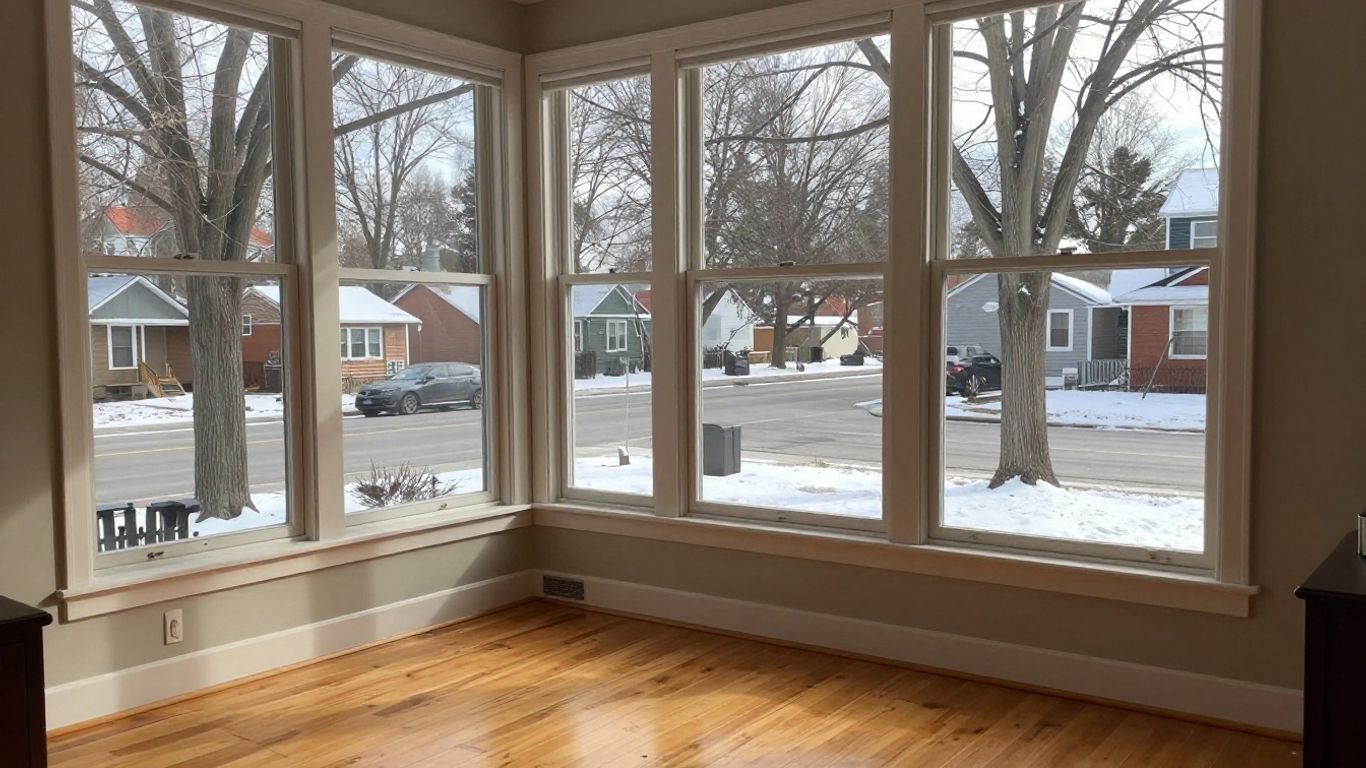
In winter, the sun follows a low path, so sunlight reaches farther into a south-facing room when nothing blocks it. In summer, the sun climbs to about 68° at noon. That high angle means a roof overhang can shade south glass far more easily than it can shade east or west glass. North-facing rooms receive little direct sun year-round, though their daylight still shifts with cloud cover and season.
A neighbour’s building, mature trees, a porch or a deep roof overhang can change this pattern substantially. Before deciding what a particular exposure means for your home, observe the room at different times of day and note any obstructions. A home orientation and energy guide can help you think through the influence of latitude, season and surroundings.
North-Facing Windows: Pros, Cons & Best Uses
North-facing windows suit rooms where stable daylight matters more than direct sun. They avoid strong sunbeams and sharp shifts in brightness. At the same time, a north-facing wall receives little solar warmth, so glass quality and room use deserve careful thought in Ottawa’s cold season.
Soft, Even Light With Almost No Glare
Indirect light from a north-facing window makes a room feel calm and visually consistent, which is useful for reading, working or displaying art. You’re less likely to deal with direct sun on a screen, although reflections can still come from other windows or bright surfaces.
If you’re deciding whether a north-facing space suits a particular use, check:
- whether nearby trees or buildings reduce the daylight further
- how the room looks on both clear and overcast days
- which wall and furnishing colours work with the room’s cooler light
- where desks and screens sit relative to reflected light
Pale finishes help a north-facing room feel brighter, but lighting, window size and the view outside contribute too.
Winter Heat Loss and Condensation Risks
North-facing windows are usually the first to fog or frost on a January morning, because the glass never gets direct sun to warm it. Condensation forms when warm, moist indoor air meets a cold surface, so a poorly sealed or poorly insulated window on a north wall adds to both discomfort and heat loss.
If moisture keeps coming back, check the room’s humidity and ventilation, and ask a qualified professional to inspect the window and its installation. Better-performing glass with a Low-E coating and warm-edge spacers raises the temperature of the inside pane, which reduces condensation. Glass alone can’t correct every air leak or moisture problem, though.
South-Facing Windows: Pros, Cons & Best Uses
South-facing windows bring the most direct sunlight into an Ottawa home. That makes living areas bright and provides useful warmth on sunny winter days. In return, you need a plan for summer sun, glare and the effect of sunlight on furnishings.
Free Winter Warmth From Passive Solar Gain
When winter sunlight passes through south-facing glass, it warms floors, walls and furniture, which then release that heat into the room. How much you gain depends on the glass, how long the sun reaches it, and whether the heat is held in the room. Treat it as a helpful seasonal bonus, not a substitute for a properly sized heating system.
The same opening that brings in welcome sun can lose heat after dark. Closing curtains or shades at sunset helps hold the day’s warmth, and the window’s insulating performance still matters.
Summer Overheating, Glare and UV Fading
Direct sun can make a south-facing room uncomfortably warm, particularly when the window is large or shading is limited. It also creates glare on screens and contributes to fading over time, so rugs, artwork and upholstery need some thought.
You can manage these effects without giving up daylight:
- Use adjustable interior shades or curtains to control direct sun.
- Add exterior shading or an overhang where practical.
- Arrange screens and seating to reduce glare during the hours you use the room.
- Rotate or reposition furnishings that sit in prolonged direct sunlight.
Watch how the sun actually moves through the room before choosing permanent shading.
North vs. South Facing Windows: Side-by-Side Comparison
North-facing rooms tend toward indirect, even light. South-facing rooms receive more direct sun and seasonal solar warmth. Use this table as a starting point alongside what you observe in your own home.
| Consideration | North-facing windows | South-facing windows |
|---|---|---|
| Typical daylight | Softer, indirect and even | Brighter, with more direct sun |
| Winter sun | Very limited | Strong opportunity for sun and warmth |
| Glare | Low | Can be high |
| Summer comfort | Little direct solar heat | Needs shading |
| UV fading | Minimal | Higher risk |
| Condensation risk | Higher (coldest glass) | Lower |
| Glass priority | Low U-factor, warm-edge spacers | Balanced SHGC, Low-E coating |
| Best rooms | Offices, studios, media rooms | Living rooms, dining areas, kitchens |
A shaded south-facing window may receive less direct sun than an unobstructed north-facing window receives from reflected light, and room proportions change how bright a space feels.
Which Rooms Work Best on the North vs. South Side?
Room function can make one exposure clearly better than the other. A space used for focused work benefits from even light, while a room where you want winter sun works well on the south side. Your schedule matters too: morning and afternoon routines decide when daylight is most useful.
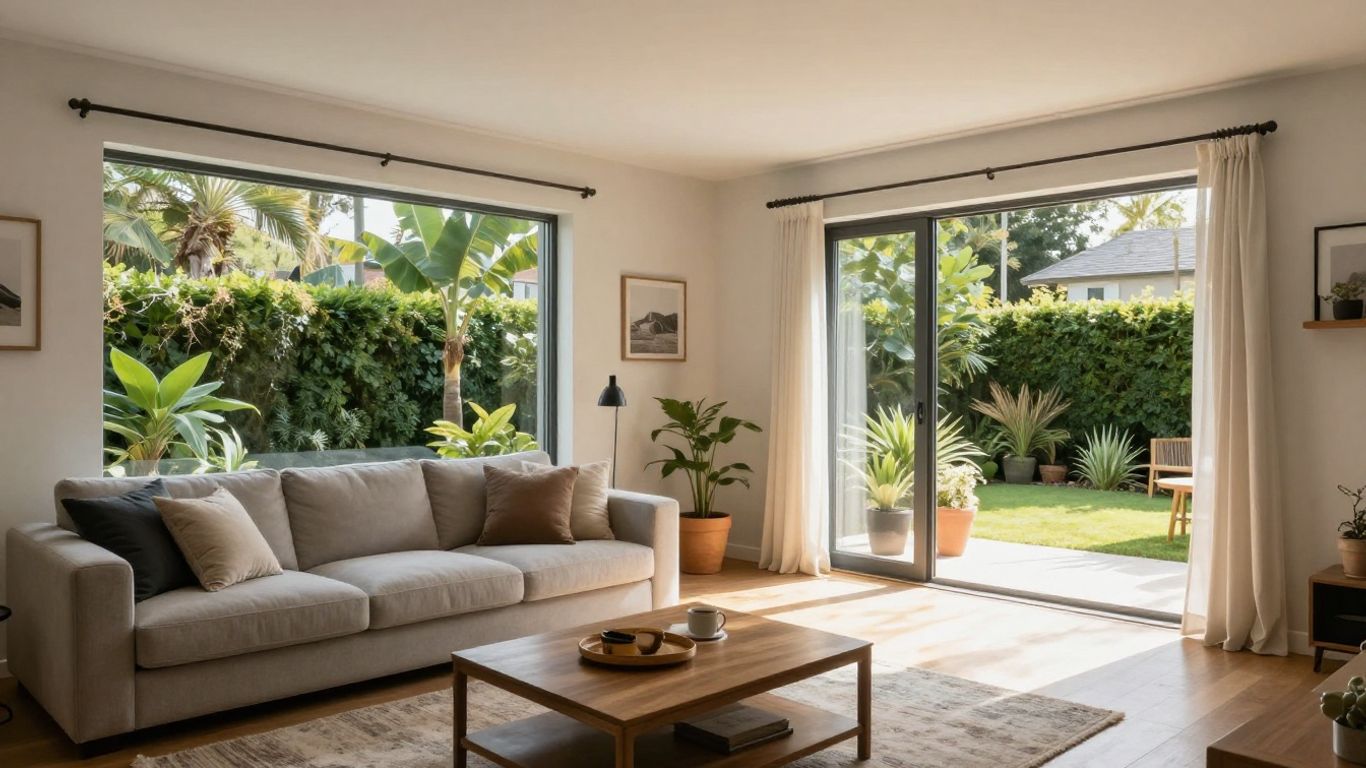
North-facing rooms suit workspaces, studios and areas where consistent light and low glare help. South-facing rooms are appealing for living and dining areas used during the day, provided you can manage summer sun. If the south wall opens onto a deck or yard, large glass doors such as sliding patio doors or French patio doors bring in even more winter sun and need the same attention to summer shading.
For bedrooms, kitchens and shared spaces, think about comfort at the time you use them most. A bright south-facing bedroom may need effective curtains for early light or summer heat. A north-facing kitchen may benefit from well-planned task lighting or a transom window that borrows extra daylight above a door.
Choosing the Right Glass for Each Side of the House
Orientation describes the sunlight a window receives, but the glass decides what happens to that light and heat. For north walls, the number that matters most is U-factor: the lower it is, the less heat escapes. For south walls, solar heat gain coefficient (SHGC) matters too. A higher value lets in more free winter heat, while a lower value limits summer heat and glare. Using the same glass on every side of the house gives up one of those advantages.
Best Window Specs for North- and South-Facing Walls
On a north-facing wall, look for a low U-factor, argon-filled insulated glass, a Low-E coating and warm-edge spacers. In the coldest exposures, triple-pane units are worth comparing against double-pane. Ask for specifications that show thermal performance, not just a general label such as “energy efficient,” and ask to see the ENERGY STAR certification documents for the exact windows being quoted.
On a south-facing wall, discuss how the glass balances insulation with solar heat and glare. Large south windows in rooms that already run warm may need a lower SHGC, while rooms that feel cold in winter benefit from glass that lets more sun’s heat through. Higher-performance glass may also help you qualify for window rebates in Ontario, so check current programs before ordering.
Not sure which glass belongs on each side of the house? Advantage Enterprises Windows & Doors reviews every elevation during an in-home visit and recommends glass based on the light each room actually gets. Call (613) 850-7887 to talk it through.
Best Window Styles for North and South Exposures
Window style affects ventilation, sightlines, operation and how much glass fills the opening. A fixed window, for example, serves a different purpose from an operable casement window, and the choice should suit how you use the room.
On a north-facing wall, you might prioritize a generous view and maximum daylight while keeping insulation and air leakage in check. On a south-facing wall, consider whether operable windows, interior shades or exterior features will help you manage heat and glare. A layout that combines fixed and operable units, such as a bay or bow window, suits some rooms well.
Before selecting a style, think about access for cleaning, which way the sash opens, and how the window works with nearby furniture or outdoor features. A window that looks right on a drawing should also be comfortable to use every day.
What About East- and West-Facing Windows?
East-facing windows receive direct morning sun, while west-facing windows receive stronger late-day sun. Timing matters as much as the total amount of light. Morning warmth suits some routines, while low afternoon sun from the west is hard to shade and often overheats rooms used at the end of the day.
If you’re weighing all four directions, watch how sunlight moves through each room over a full day. For east-facing rooms, consider whether early brightness affects sleep. For west-facing rooms, pay attention to late-day glare and heat. Shading, curtains and careful placement of desks and seating help manage direct sun from either direction.
FAQs About North vs. South Facing Windows
Which exposure is “best” depends on the room and what you want from it, and nearby buildings, trees, rooflines and window size all affect the answer.
Do south-facing windows get the most sun in Ottawa?
Yes, in most cases. The sun travels across the southern sky in the Northern Hemisphere, so south-facing windows receive the most direct sunlight, especially in winter when the sun is low. Trees, nearby buildings and other obstructions can reduce how much reaches a particular window.
Are north-facing windows always dark?
No. They receive little direct sunlight, but they provide steady, useful daylight. Window size, obstructions, room finishes and weather all affect how bright the space feels.
Which direction is better for a home office?
North-facing rooms are often the best choice for an office because the light is soft and even, with little screen glare. Desk placement and reflections from other surfaces still matter.
Can south-facing windows make a room too hot?
Yes. Direct sunlight entering for long periods can overheat a room, especially when windows are large and shading is limited. Window size, glass SHGC, ventilation and nearby obstructions all affect how much heat the room gains.
Do north-facing windows cause condensation?
Orientation alone doesn’t cause condensation, but north-facing glass is the coldest in the house, so it’s often where condensation appears first. Indoor humidity, ventilation, glass performance and installation quality all contribute.
Can curtains help control sunlight through south-facing windows?
Yes. Curtains or adjustable shades reduce direct sun and glare and add privacy. Closing them at night also helps hold winter heat. Their effectiveness depends on the material, fit and when you use them.
Should every room have windows facing the same direction?
No. Different exposures serve different needs throughout a home. Consider how each room is used, when you want daylight, and how you’ll manage seasonal heat and glare.
Get Orientation-Specific Window Advice in Ottawa
Start by noting which way each window faces and when direct sunlight reaches it. Check on more than one kind of day, and note any trees, buildings or overhangs that block the sun. This simple record makes a conversation with a window professional more specific and productive.
Bring practical questions about glass performance, shading, ventilation and installation, and ask how each recommendation fits the needs of each room. Advantage Enterprises installers assess each wall separately during an in-home visit, so north- and south-facing openings get glass suited to their exposure instead of one spec for the whole house.
For an Ottawa home, account for both cold-season comfort and bright, warm summer rooms. A professional assessment can help you weigh window condition and specifications against the light you want to keep or control.
North- and south-facing windows create different conditions, and neither is automatically right for every room. When you consider daylight, seasonal comfort, glass performance, shading and your household’s routines together, you can choose windows that feel right in every season.
Ready to plan windows that work with the sun, not against it? Book a free in-home estimate with Advantage Enterprises Windows & Doors, serving Ottawa since 2009, or call (613) 850-7887.