
Understanding Standard Door Widths: The Basics
When you’re thinking about doors, the width is one of those things that seems pretty straightforward, right? But there’s actually a bit more to it than you might first guess. Builders and manufacturers work with standard sizes, and knowing these can save you a headache down the line, whether you’re renovating or just replacing a door. Let’s break down what’s considered normal.
What is the Average Interior Door Width?
Most interior doors in homes are designed to be functional for everyday use. For standard passage doors – the ones you use to get into bedrooms, bathrooms, or living areas – the typical width hovers around 30 to 32 inches. However, you’ll often see 36-inch-wide doors too, especially in newer homes or for rooms that might see more traffic. It’s not uncommon to find narrower doors, like 24 or 28 inches, particularly in older houses or for closets and smaller bathrooms. The standard height for most interior doors is 80 inches, which is about 6 feet 8 inches.
Here’s a quick look at common interior door widths:
- 24-28 inches: Often used for closets, smaller bathrooms, or in older homes where space was tighter.
- 30-32 inches: The most common range for general interior passage doors.
- 36 inches: Increasingly popular for a more open feel and easier movement, especially in main living areas.
Remember that these are nominal sizes. The actual slab of the door might be slightly smaller to allow for clearance within the frame.
What is the Average Exterior Door Width?
Exterior doors, like your front entry or patio doors, tend to be a bit more substantial. They need to be sturdy for security and often accommodate larger items being moved in and out. The standard width for a front entry door is typically 36 inches, with a height of 80 inches. Some homes, especially larger ones, might feature wider or taller entry doors, sometimes up to 96 inches in height. Patio doors, like sliding glass doors, often come in pairs and can be wider overall, with common widths for a two-panel system ranging from 60 to 72 inches. If you’re looking for exterior door options, knowing these standards is a good starting point.
- Front Entry Doors: Usually 36 inches wide by 80 inches tall.
- Patio Sliding Doors: Often 60-72 inches wide for a standard two-panel setup.
- French Doors: Typically 36 inches wide per door, meaning a pair offers about 72 inches of total width.
These standard sizes make manufacturing and installation more efficient, but it’s always worth double-checking if you have specific needs or an older home with non-standard openings.
Beyond the Average: Factors Influencing Door Width
So, we’ve talked about the typical door widths you’ll find, but honestly, it’s rarely just about picking the most common size off the shelf. Builders might not always shout about it, but there are quite a few things that can nudge you towards a different door width. It’s not just about what looks good; it’s about how the space actually works.
Room Functionality and Traffic Flow
Think about how a room is used. A busy hallway or a main living area where people are constantly moving through will benefit from a wider door. This makes it easier for people to pass each other, especially if they’re carrying things. On the flip side, a small powder room or a walk-in closet might be perfectly fine with a narrower door, saving precious floor space. It’s all about making sure the door doesn’t become a bottleneck in your home’s daily life. For instance, a standard 30-inch interior door might feel a bit cramped in a high-traffic zone, whereas a 36-inch door would offer a much more comfortable passage.
Accessibility and Building Codes (ADA Compliance)
This is a big one, and it’s often overlooked until it becomes a problem. Building codes, especially those related to accessibility like the ADA (Americans with Disabilities Act), have specific requirements for door widths. These regulations are in place to ensure everyone, regardless of mobility, can navigate a space safely and easily. For example, ADA guidelines typically require a minimum clear opening of 32 inches for accessible routes. This means the actual usable space when the door is open 90 degrees. It’s not just about the door itself, but also how it operates – handles need to be easy to grip and turn. If you’re building or renovating, checking these codes is non-negotiable. You can find detailed information on requirements for ADA-compliant doors to ensure your project meets the necessary standards.
Architectural Style and Design Considerations
Sometimes, the door width is dictated by the overall look you’re going for. A grand entryway might call for double doors or a significantly wider single door to make a statement. Conversely, a minimalist design might favor slimmer doors. The style of your home, whether it’s a historic renovation or a modern build, can influence these choices. You might also consider custom solutions if you have unique architectural features. For example, if you’re looking to add a touch of elegance and improve your home’s comfort, custom entry doors from Maxdor can be designed to fit specific aesthetic and functional needs, including non-standard widths.
When you’re planning a renovation or building from scratch, it’s easy to get caught up in the aesthetics. But don’t forget the practical side. A door that looks amazing but is a pain to use every day is a design fail. Think about how furniture will move through the space, how many people will use it at once, and if anyone in the household has or might develop mobility issues down the line. It’s a balance, for sure.
Here are some things to keep in mind:
- Traffic Flow: How many people will use this door daily?
- Furniture Movement: Will you need to move large items like sofas or appliances through this doorway?
- Accessibility Needs: Consider current and future mobility requirements for all household members.
- Aesthetics: How does the door size fit with the overall design of the room and house?
- Building Codes: Always check local regulations for minimum width requirements, especially for accessibility.
Common Door Widths You’ll Encounter
When you’re looking at doors, you’ll notice a few sizes pop up again and again. Builders tend to stick to what’s standard because it’s easier and usually cheaper. But knowing these common widths can help you figure out what you’re likely to find in most homes.
Standard Bedroom and Bathroom Doors
For bedrooms and bathrooms, the most common door width you’ll see is 30 inches. These doors are typically 80 inches tall, which is about 6 feet and 8 inches. This size is pretty standard across the board for most residential construction. It’s wide enough for most people to pass through comfortably and for basic furniture to be moved in and out, though you might run into issues with larger items. Sometimes, you might find 32-inch-wide doors in these rooms, especially in newer builds or if the homeowner opted for something a bit more spacious. It’s all about balancing privacy needs with ease of access.
Wider Options for Living Areas and Entryways
Living rooms, dining rooms, and especially front entryways often call for wider doors. Standard interior passage doors, which connect main living spaces, commonly come in widths of 32 or 36 inches, and they’re also usually 80 inches tall. The 36-inch width is particularly common for front doors. This extra width isn’t just for show; it makes it easier to move furniture, appliances, and other large items into and out of your home. Think about trying to get a sofa through a 30-inch door – it’s not going to be fun. For double doors, like French doors, you’ll often see pairs that add up to 60 or 72 inches wide when both are open. These wider options really open up a space, both literally and figuratively. It’s worth noting that if you have specific needs, like accommodating a wheelchair, you’ll want to look for doors that meet accessibility standards, which often means going wider than the typical 36 inches. You can find more information on accessibility standards if that’s a concern for your project.
Builders often select standard door sizes to streamline the construction process and manage costs. While these dimensions work for most situations, they might not always be the most practical or aesthetically pleasing for every unique space or need.
Here’s a quick rundown of what you’ll commonly find:
- Bedroom/Bathroom Doors: Usually 30″ wide x 80″ tall.
- Living Area/Passage Doors: Often 32″ or 36″ wide x 80″ tall.
- Front Entry Doors: Most commonly 36″ wide x 80″ tall, though taller options exist.
- French Doors (Pair): Typically total widths of 60″ or 72″.
When to Deviate from the Average: Custom Solutions
Sometimes, the standard just doesn’t cut it. While sticking to common door widths like standard door sizes commonly available in the market makes things easier and often cheaper, there are definitely times when you’ll need to think outside the box. Maybe you’ve got an older house with quirky dimensions, or perhaps you’re aiming for a really specific look that the usual options just can’t achieve. That’s where custom doors come into play.
Going custom means you’re not limited by what’s readily available off the shelf. This is especially important if you have openings that aren’t quite standard. Trying to force a standard door into a non-standard frame can lead to gaps, drafts, and a generally unfinished look. Plus, if you’re trying to match a unique architectural style, a custom size or design might be the only way to get it right. Think about historic homes; they often have doorways that were built long before today’s standards were set, and a standard door just won’t fit without major (and potentially damaging) alterations.
Here are a few situations where custom doors make a lot of sense:
- Unique Architectural Styles: Older homes or buildings with specific design elements might require doors that match their original character. Standard doors can look out of place.
- Accessibility Needs: While building codes often mandate minimum widths for accessibility, sometimes a custom solution is needed to perfectly accommodate specific mobility devices or furniture.
- Specific Design Goals: If you have a very particular aesthetic in mind, like a grand entryway or a cozy nook, a custom door can be designed to fit that vision precisely.
- Non-Standard Openings: Whether due to renovations, structural quirks, or just the way a house was built, some openings simply won’t accept a standard door without significant work.
Choosing a custom door isn’t just about size; it’s about getting exactly what you want. It allows for unique materials, specific hardware, and a perfect fit that enhances the overall look and feel of your space. While it might cost a bit more upfront, the result can be a truly one-of-a-kind feature that you’ll enjoy for years. For those looking for something truly special, exploring custom entry doors from a manufacturer like Maxdor can be a great starting point.
Don’t be afraid to explore custom options if your project demands it. It’s the best way to ensure your doors not only function perfectly but also contribute to the unique beauty of your home. Sometimes, the standard path just isn’t the right one for achieving your desired outcome.
Choosing the Right Door Width for Your Project
So, you’ve been thinking about door widths, and maybe you’re wondering how to pick the best one for your place. It’s not just about grabbing any old door off the shelf, you know. Getting the right size really makes a difference in how your home feels and functions.
First off, think about the room itself. What’s its main job? For busy areas like living rooms or main entryways, you’ll probably want something a bit wider. This makes it easier for people to move around, especially if you’re carrying stuff or have a crowd over. Standard interior doors are often around 30 to 32 inches wide, but for these high-traffic spots, going up to 36 inches or even considering double doors can be a game-changer. On the flip side, smaller spaces like closets or tight hallways might be fine with a narrower door, maybe 24 or 28 inches. It’s all about matching the door to the space.
Here’s a quick rundown of what you might see:
- Bedrooms & Bathrooms: Typically 30″-32″ wide. Enough for privacy and easy access.
- Living Areas & Entryways: Often 36″ wide or even wider with double doors. Better for flow.
- Closets & Utility Rooms: Can range from 18″-24″ up to 30″ or 32″ depending on the closet size.
- French Doors: Usually come in pairs, with total widths like 48″, 60″, or 72″.
Don’t forget about accessibility, too. If you’re planning for the long haul or need to meet certain building codes, like ADA requirements, wider doors are a must. The ADA suggests a minimum of 32 inches for wheelchair accessibility, which is a good number to keep in mind for any room where ease of movement is key. It’s about making your home comfortable for everyone, now and in the future. You can find more details on door size requirements.
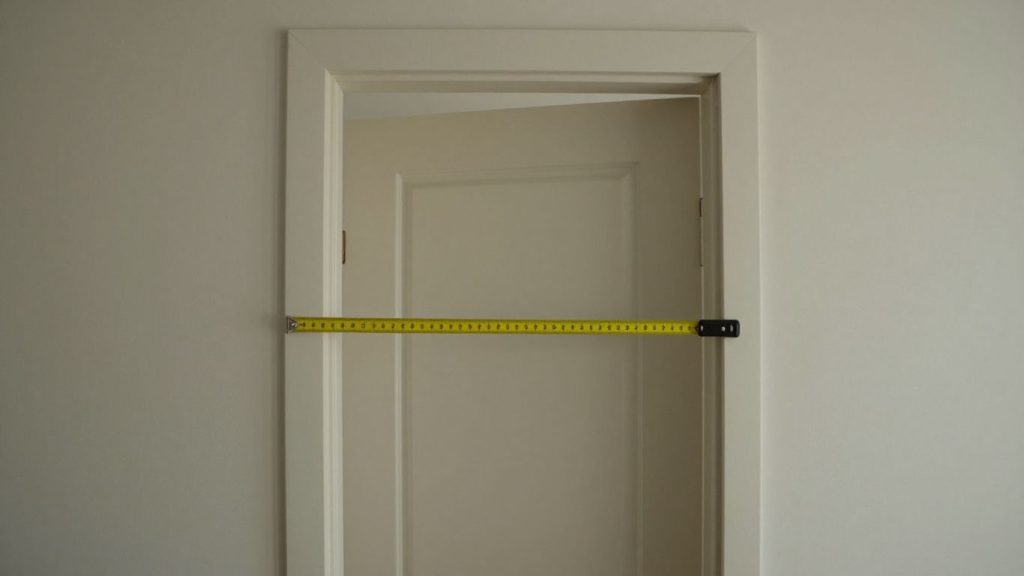
When you’re measuring, be precise. Don’t just eyeball it. Measure the actual opening, not just the old door. Remember to account for the door jamb and any trim. It’s also smart to think about which way the door will swing – you don’t want it banging into furniture or blocking a walkway.
Sometimes, standard sizes just won’t cut it. Maybe you have an older home with unique openings, or you’re going for a really specific look. That’s where custom doors come in. While they can cost a bit more, they ensure a perfect fit and can really add to your home’s character. It’s worth talking to a builder, architect, or a trusted windows and doors company if you’re unsure about custom door options. They can help you figure out the best solution that balances looks, function, and your budget.
Conclusion
So, when you’re looking at doors, don’t just grab the first one you see. Think about how it will be used, who will use it, and what look you’re going for. Sometimes, the standard size works perfectly. Other times, you might need something a little different. Measuring carefully and considering all these points will help you pick the right door, making your home more comfortable and functional for everyone.
Frequently Asked Questions
What’s the most common width for an inside door?
For most rooms inside a house, like bedrooms or bathrooms, the standard door width is usually around 30 to 32 inches. It’s a good size that works for most doorways and fits well with typical room layouts.
Are outside doors wider than inside doors?
Yes, generally they are. Front doors and back doors are often a bit wider, usually around 36 inches. This makes it easier to move bigger things in and out of your house, like furniture or appliances.
Do I need a wider door for someone in a wheelchair?
Absolutely. If you want to make sure your home is easy for everyone to get around in, especially someone using a wheelchair, you’ll want doors that are at least 32 inches wide. This is a common recommendation for accessibility.
Can I get doors in sizes that aren’t standard?
You sure can! If your doorways are an unusual size, or if you have a specific design in mind, you can order custom-sized doors. Just know that these can sometimes cost more than the regular sizes.
Why is knowing the door width important?
Knowing the right door width is important for a few reasons. It makes sure doors fit properly, helps you move furniture easily, and can even make a room feel bigger or smaller depending on the size. Plus, it’s key for making sure your home is easy to get around in.
What if my door opening is a weird size?
If your opening isn’t a standard size, don’t worry too much. You can either look for pre-made doors that happen to fit, or you might need to get a custom door made. It’s always a good idea to measure your opening carefully before you start shopping.