
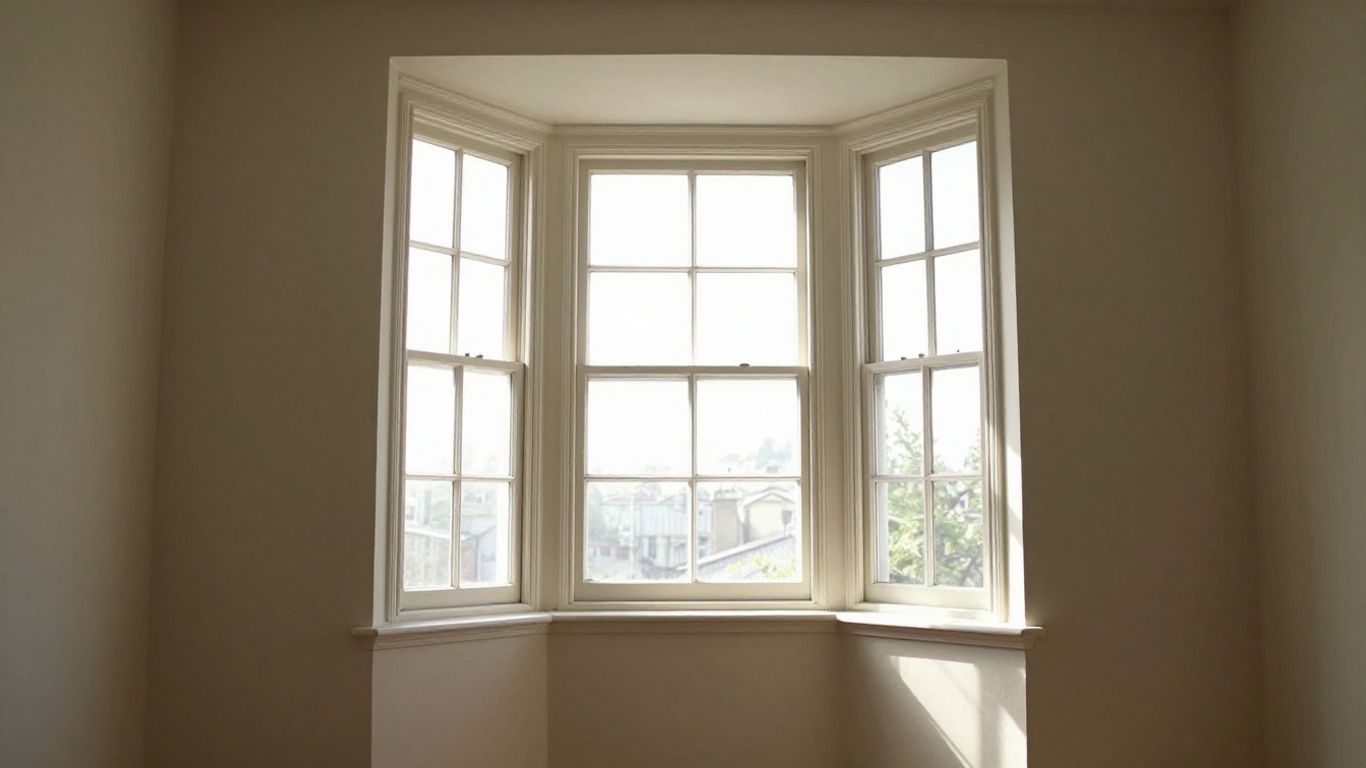
What Is a Transom Window?
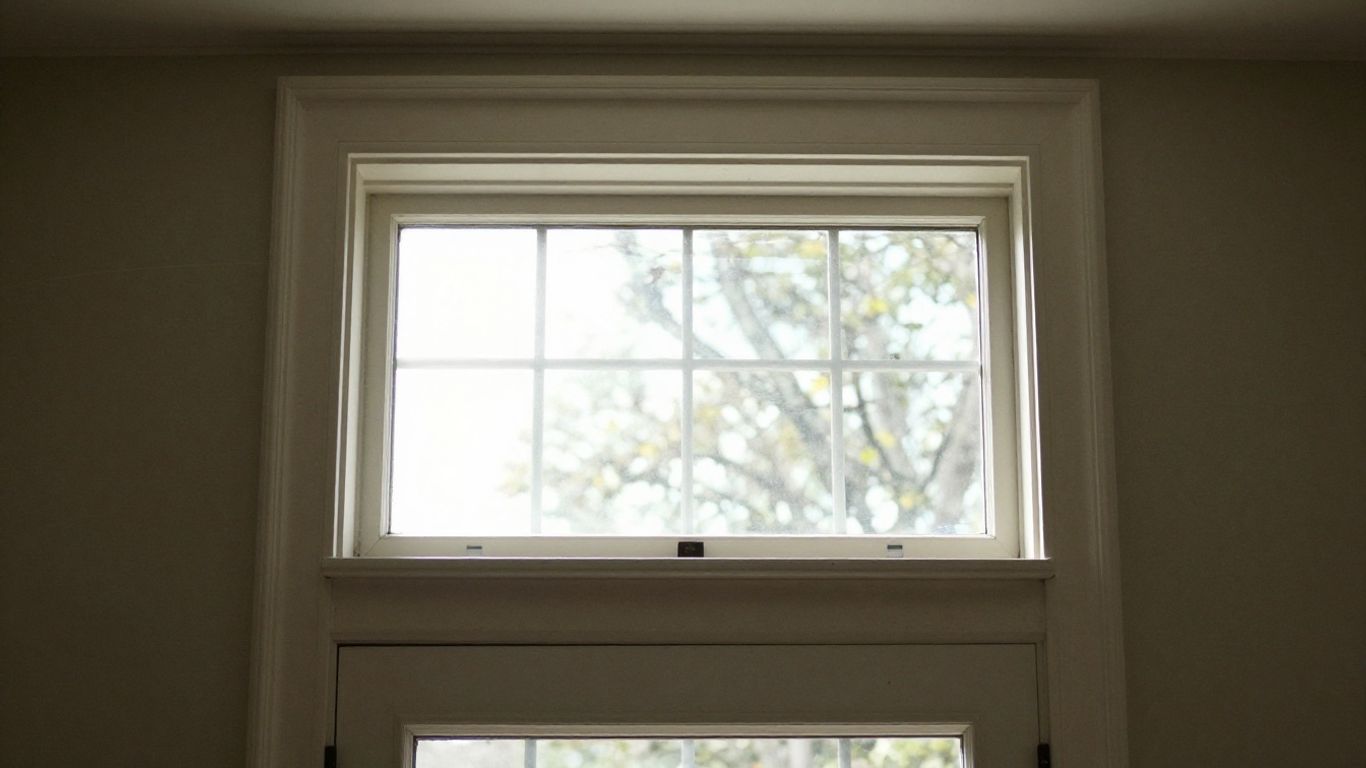
Ever notice that horizontal window perched above a door or another window? That’s a transom window! These architectural gems are more than just a pretty face; they’ve been brightening homes and improving airflow for centuries. Traditionally, before air conditioning was a thing, they were a smart way to let in light and air without sacrificing privacy. Today, they still serve those purposes but also add a significant design flair to both the inside and outside of your home.
Transom Window vs. Sidelight — What’s the Difference?
It’s easy to get transom windows and sidelights mixed up, but they’re quite different. Think of it this way:
- Transom Window: This is the window above the door or window. It’s typically horizontal and separated by a beam (the transom).
- Sidelight: These are the narrow, vertical windows that sit on either side of a door. They don’t usually open and are mostly for looks and a bit of extra light.
So, while both can make an entryway feel grander, they occupy different spaces. You’ll often see them working together – a transom window right above the door, with sidelights flanking it, creating a really welcoming and open entrance.
Transom windows are a fantastic way to add architectural interest and natural light without making major structural changes. They can make a space feel larger and more inviting, drawing the eye upward and creating a sense of openness.
Types of Transom Windows Available in Canada
When you’re looking at transom windows, you’ll find they come in a few main styles, each with its own vibe. It’s not just about picking one that looks nice; it’s also about how it fits with your home’s overall look and what you need it to do.
Rectangular Transom Windows — Clean Lines for Modern Homes
These are probably the most common type you’ll see. Rectangular transoms are super versatile. They have those clean, straight lines that work really well with modern home designs. Think of them as a simple, elegant addition that doesn’t try too hard. They can be fixed, meaning they don’t open, or they can be operable, giving you a bit of extra airflow. If you’re looking for something that complements a contemporary entryway or even a patio door, a rectangular transom is a solid choice. They’re a popular option for homeowners across Canada, including those renovating older homes looking for a sleek update.
Semicircular Fanlight Transoms — A Classic Choice for Older Homes
Now, if your home has a more traditional feel, like a colonial or Victorian style, you might lean towards a semicircular fanlight transom. These are the ones with the curved top, kind of like a fan. They really add a touch of classic charm and elegance. They’re often seen above front doors, sometimes with decorative glass or custom grilles. While they look fancy, they’re still functional, letting in light and, if operable, a bit of air. They just have this timeless appeal that’s hard to beat for older homes.
Here’s a quick look at some common transom window features:
- Shape: Rectangular, arched, elliptical, or even custom shapes.
- Operation: Fixed (for light only) or operable (for ventilation).
- Glass Options: Clear, frosted, textured, stained, or energy-efficient double-pane glass.
Choosing the right style often comes down to matching your home’s architecture. A modern home might look best with a simple rectangular transom, while a historic house could be perfectly complemented by an arched fanlight. It’s all about creating a harmonious look.
Where Are Transom Windows Typically Installed?
Transom windows aren’t just for fancy old houses anymore. You’ll see them popping up in all sorts of places, adding a little something extra to both the outside and inside of your home. They’re a smart way to get more light and a bit of style without a huge renovation.
Above Front Entry Doors — Boosting Curb Appeal Year-Round
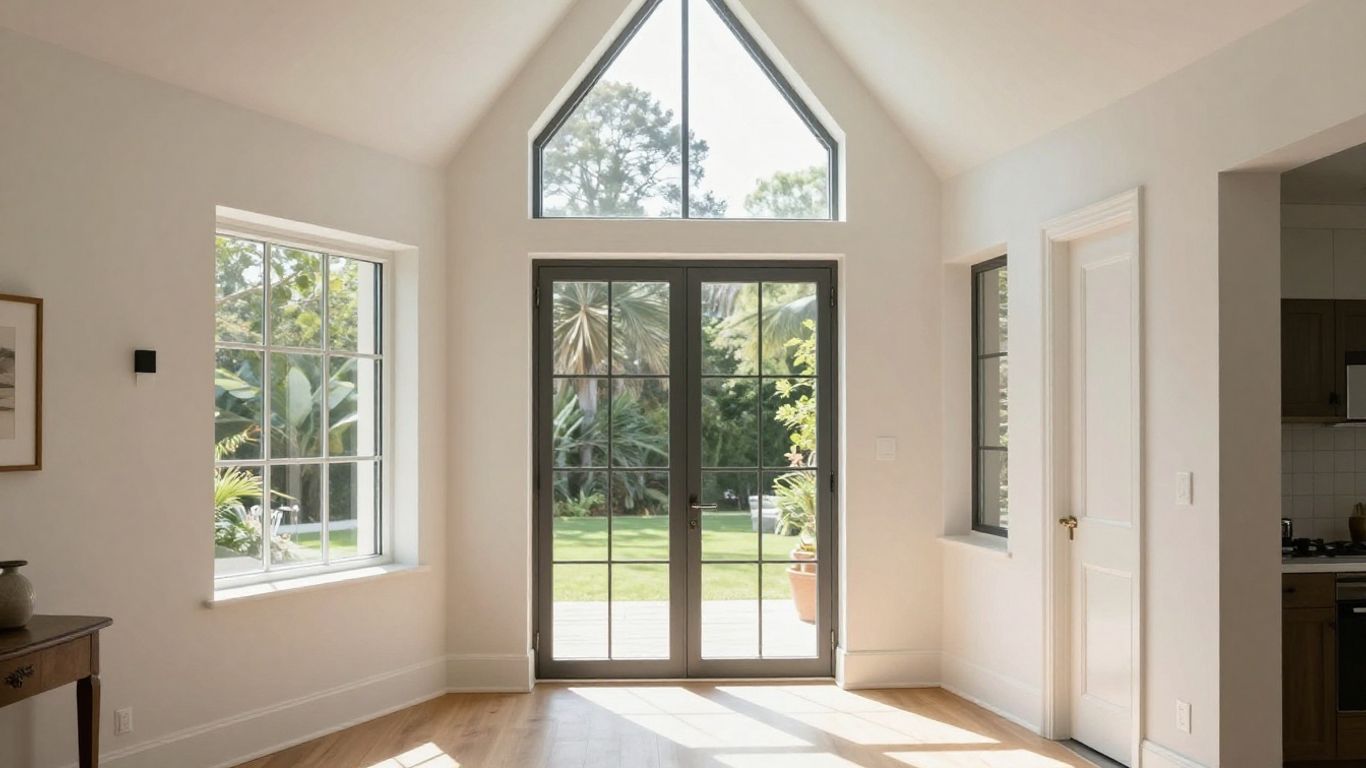
This is probably the most common spot for a transom window, and for good reason. Placing one above your main entrance really makes a statement. It’s like a crown for your front door, adding a touch of elegance and making your home look more welcoming. Even on a cloudy day, that extra bit of glass lets in more natural light, making your entryway feel brighter and more open. Plus, when you’re thinking about transom window installation for this spot, you can choose from all sorts of shapes and glass types to match your home’s style, whether it’s a classic arch or a clean rectangle.
Above Interior Doors, Bathrooms, and Hallways
Don’t stop at the front door! Transom windows are super useful inside your home too. Think about putting one above a door leading into a room that doesn’t get much natural light, like a home office or a basement den. It can make a big difference. They’re also a great idea for bathrooms. You get a bit of extra light and ventilation without sacrificing privacy, especially if you choose frosted or textured glass. Hallways can feel a bit dark and tunnel-like sometimes, and a transom window at the end or above a door can really open things up, making the whole space feel less cramped. It’s a simple trick that adds a lot of character.
Here’s a quick look at where else you might find them:
- Kitchens: Above cabinets or doors to bring in more light.
- Bedrooms: Over doorways for a softer light source.
- Stairwells: To brighten up a potentially dim area.
When considering transom window installation, especially for interior applications, think about how it will affect the flow of light and air between rooms. It’s a subtle change that can really improve the feel of your living space. Proper installation is key to making sure they function well and look great for years to come.
Key Benefits of Transom Windows for Canadian Homeowners
Transom windows are more than just a pretty architectural detail; they actually bring some solid advantages, especially if you live in Canada. Think about those long, dark winters – anything that can bring more light inside is a win, right? That’s where these windows shine. They’re placed up high, usually above a door or another window, so they catch sunlight that might otherwise miss your home.
More Natural Light During Canada’s Long Dark Winters
This is probably the biggest perk for folks up north. During the winter months, when the sun seems to set way too early, transom windows can make a real difference. They let in daylight from higher up, brightening rooms that might otherwise feel gloomy. This can help reduce your reliance on artificial lighting, saving a bit on electricity bills and just making your home feel a bit more cheerful. It’s like adding an extra little window to the sky, right where you need it.
Improved Ventilation and Airflow in Summer
While we often think about light, let’s not forget about air. Many transom windows can be opened. This is super handy in the summer when you want to get a nice cross-breeze going through your house. Because they’re high up, they can help push out hot air that naturally rises, pulling in cooler air from lower windows. It’s a simple way to keep things comfortable without always running the air conditioning. Plus, opening them up can help clear out any stuffy air in rooms like bathrooms or hallways.
When considering transom windows, especially in a Canadian climate, it’s smart to think about energy efficiency. While they add light and air, you want to make sure they’re well-sealed and insulated, particularly if you choose an operable style. This way, you get all the benefits without the unwanted heat loss or gain.
Energy Efficiency of Transom Windows in the Canadian Climate
When you’re thinking about adding transom windows, especially here in Canada with our chilly winters and sometimes sweltering summers, energy efficiency is a big deal. Nobody wants to see their heating bills skyrocket in January or their air conditioning working overtime in July. The good news is that transom windows, when chosen and installed correctly, can actually be quite energy smart.
Transom windows, like any window, can be a source of heat loss in the winter and heat gain in the summer if they aren’t up to par. Older or poorly sealed transoms might let drafts sneak in, making your furnace work harder. On the flip side, a poorly insulated transom can let the summer sun bake your living room.
Key Features for Efficiency
So, what makes a transom window energy-efficient? It really comes down to a few key things:
- Glazing: Double-pane or even triple-pane glass is standard now for good reason. It creates insulating air pockets between the panes. Look for options with low-emissivity (Low-E) coatings, which reflect heat back into your home during winter and keep it out during summer.
- Frame Material: The frame matters, too. Vinyl windows and fiberglass frames generally offer better insulation than aluminum, which can conduct heat and cold. Wood frames can also be good insulators, but they require more maintenance.
- Sealing and Installation: Even the best window won’t perform well if it’s not sealed properly. Gaps around the frame are a direct path for air leaks. Professional installation is super important here to make sure everything is airtight.
Choosing energy-efficient transom windows isn’t just about comfort; it’s a smart financial decision. Over time, the savings on your energy bills can really add up, making the initial investment worthwhile. Plus, it’s better for the environment.
Canadian Government Rebates for Energy-Efficient Windows
It’s worth noting that the Canadian government, and sometimes provincial governments too, offer rebates or incentives for homeowners who upgrade to energy-efficient windows. These programs are designed to encourage people to make choices that reduce energy consumption. While transom windows aren’t always the primary focus of these programs, if you’re replacing existing windows or adding new ones as part of a larger energy-efficient renovation, you might be eligible. It’s a good idea to check the latest government programs and requirements to see if you can get some money back for making an energy-smart choice. This could make upgrading your garage door and windows a more affordable project.
Transom Window Cost in Canada — What to Expect
Please note: The following prices are general estimates only. Actual costs can vary based on location, materials, design, and installation complexity.
So, you’re thinking about adding a transom window, huh? They really do add a nice touch to a home. But, like anything with home renovations, you’re probably wondering about the cost. It’s not a simple number, unfortunately, because a lot of things play into it.
First off, the window itself. A basic, fixed rectangular transom made of vinyl might only set you back a few hundred dollars. But if you’re eyeing something more elaborate, like an arched design with custom wood framing or even stained glass, you could be looking at $750 or more for just the window unit. And don’t forget about the glass options – clear is standard, but frosted, textured, or energy-efficient double-pane glass will add to the price.
Then there’s the installation. This is where costs can really jump around. If you’re lucky and it’s part of a new build, it’s usually more straightforward. But if you’re cutting into an existing wall, especially if it’s a load-bearing one, that’s a whole different ballgame. You might need extra structural support, and that means more labor and materials. Professional installers often charge by the hour, and you could be looking at anywhere from $450 to $1,500 or even more for the labor alone, depending on how complicated the job gets.
Here’s a rough idea of what you might see:
- Basic Fixed Transom (Vinyl): $250 – $500 (window only)
- Standard Operable Transom (Wood/Vinyl): $400 – $750 (window only)
- Custom/Decorative Transom (Wood, Stained Glass): $750+ (window only)
- Installation (Simple): $450 – $800
- Installation (Complex, Structural Work): $800 – $1,500+
Important Note
Disclaimer: The pricing provided above is for general informational purposes only and should not be considered a formal quote. Actual costs can vary based on location, material choices, design complexity, structural requirements, and contractor pricing. For accurate pricing tailored to your specific project, it is recommended to consult a qualified window installation professional.
Sometimes, if you’re doing a few windows at once, you can get a bit of a deal on both the materials and the installation. It’s worth asking about. And if you’re looking at window coverings for your new transom, there are options for every budget, from simple blinds to custom shades.
Ultimately, the final price tag is a mix of the window you choose and how much work it takes to get it installed properly. It’s an investment, for sure, but many homeowners find the added light and style are well worth it.
Choosing the Right Transom Window for Your Home
So, you’ve decided a transom window is the way to go. That’s great! They really do add a special something to a house, enhancing its architectural character and providing a unique visual element that can elevate the entire aesthetic, creating a focal point that draws the eye and adds depth to your interior spaces. But picking the exact right one can feel a bit overwhelming with all the choices out there, from materials and styles to sizes and finishes, each offering distinct advantages and aesthetic appeals. Let’s break it down so you can make a choice you’ll be happy with, ensuring it perfectly complements your home’s design and meets your specific needs for light, ventilation, and privacy, ultimately contributing to a more comfortable and visually appealing living environment.
Transom Window Maintenance Tips for Canadian Weather
Keeping your transom window in good shape, especially with our Canadian weather, is pretty important. You don’t want it getting all gunked up or letting in drafts.
Regular Cleaning: Wipe down the glass and frame a few times a year. For those high-up ones, a squeegee on an extension pole works wonders. Just make sure to clean both the inside and outside.
Check Seals and Caulking: Every year or so, take a look at the seals around the window. If they look cracked or worn, it’s time to re-caulk. This stops water from getting in and air from getting out (or in!).
Operable Windows: If your transom window opens, give the mechanism a check. Make sure it moves smoothly and isn’t sticking. A little lubrication might be all it needs.
Winter Prep: Before the really cold weather hits, make sure everything is sealed up tight. You don’t want any precious heat escaping.
Keeping up with simple maintenance means your transom window will look good and work well for years, no matter what the weather throws at it. It’s way easier to do a little bit regularly than a big fix later on.
When you’re looking at options, think about the style of your home. A fancy arched transom might look a bit out of place on a super-modern house, and a plain rectangular one might not fit with a Victorian-era home. Most reputable window and door company professionals can help you match the window to your home’s architecture. You’ll also want to decide if you need an operable window for extra airflow or if a fixed one will do just fine. For privacy, especially in bathrooms or hallways, consider frosted or textured glass. It lets light in without showing everything inside. And always, always get a few quotes before you commit. It pays to shop around!
Wrapping It Up
So, there you have it. Transom windows are more than just a pretty feature — they bring a mix of history, style, and real everyday benefits. Whether you want to brighten your space with more natural light, add architectural character, or improve airflow, these windows above doors and other openings can make a noticeable difference in your home.
With so many shapes, styles, and glass options available, there’s likely a design that fits your home perfectly. The key is choosing the right configuration for your space and making sure it’s installed properly for long-term performance and energy efficiency.
At Advantage Enterprises Windows & Doors, we help homeowners bring these ideas to life with expert guidance, quality products, and professional installation you can rely on.
Frequently Asked Questions
Why are they called transom windows?
The name comes from the ‘transom,’ which is a sturdy beam that goes across the top of a doorway. The window sits right on top of this beam, so it’s called a transom window.
Can transom windows be opened?
Yes, some transom windows can be opened! They might open with a crank, a lever, or even a remote control. This is great for letting in fresh air.
Do transom windows help with light?
Definitely! Transom windows are fantastic for letting in more natural light. They can brighten up entryways, hallways, or any room that feels a bit dark, reducing the need for lights during the day.
Are transom windows good for ventilation?
Yes, especially the ones that can open. They help air move between rooms or from outside into your home, which can be really nice during warmer months.